Lymphedema After Cancer
A Survivor's Long-Term Resource
Lymphedema is not a phase. It is a daily layer of a life that keeps going. — Hope Lives Now
I have been managing lymphedema for seventeen years.
Not as a phase that ended after cancer treatment. Not as a finite condition with a beginning and a closure.
As a daily practice — two hours of pump therapy each day, a sleeve I wear, a cami I rely on,
exercises I have woven into my routine, and a body that requires attention I never gave it before.
Lymphedema is one of the most underdiscussed realities of cancer survivorship.
Roughly one in three women who have lymph nodes removed during breast cancer surgery
will develop some form of lymphedema, and many will receive minimal guidance
from their medical teams about what daily management actually looks like.
Most women learn the same way I did: piecing it together over years, through trial and error,
through asking questions that no one had time to answer.
This page is the resource I wish someone had handed me at year one. And year five. And year ten.
It is for the woman who has just been told she has lymphedema and does not know where to start.
It is for the woman who has been managing it for years and is wondering whether there are tools she has not yet found.
It is for the family member or friend who is trying to understand what their loved one is dealing with every day.
Take what serves you. Skip what does not. Trust your therapist before you trust this page — your specific situation,
fit, and protocol matter, and a certified lymphedema therapist is the person to guide your individual care.
What I share here is what I have come to rely on, after seventeen years of figuring out how to live in this body.
Some of it is medical. Some of it is practical. All of it is what I actually do.
— Kim 17-year breast cancer survivor
Founder, Hope Lives Now
Who this page serves
For women newly diagnosed with lymphedema
Start with the Finding a Certified Lymphedema Therapist section at the bottom of this page.
Compression, pumping, and movement decisions should not be made independently;
your therapist will fit you for the right garments, prescribe the right protocols, and watch how your body responds.
This page is a companion to that care, not a replacement for it.
For women already managing lymphedema
This page contains the products and practices I personally rely on.
Some may be familiar; some may give you new ideas to bring to your therapist. Use what fits.
For caregivers, family members, and friends
Lymphedema is not just a sleeve. It is a daily commitment that affects energy, time, clothing choices,
exercise, swimming, travel, and how a woman moves through her days.
Reading through this page will help you understand the layered reality your loved one is managing.
A note before we begin
Compression is a medical intervention, not a wellness purchase.
The right fit, level, and timing matter, and the wrong garment can cause harm.
I will name specific brands and products on this page because I use them and want to be honest about what I rely on.
But everything below assumes you have access to, or are seeking, care from a Certified Lymphedema Therapist (CLT).
If you do not yet have a CLT, that is the first step. The directories at the bottom of this page will help you find one in your area.
Medical-Grade Arm Compression
The foundation of daily management.
Compression sleeves and gauntlets are the daily cornerstone of arm lymphedema management. They support the lymphatic system in moving fluid through the affected limb and prevent or slow the progression of swelling.
These are not generic compression garments. Medical-grade compression sleeves are fitted by a certified therapist to your exact arm measurements, with a specific compression class prescribed for your situation (Class I, II, or III). The wrong fit or compression level can cause harm.
LympheDIVAs
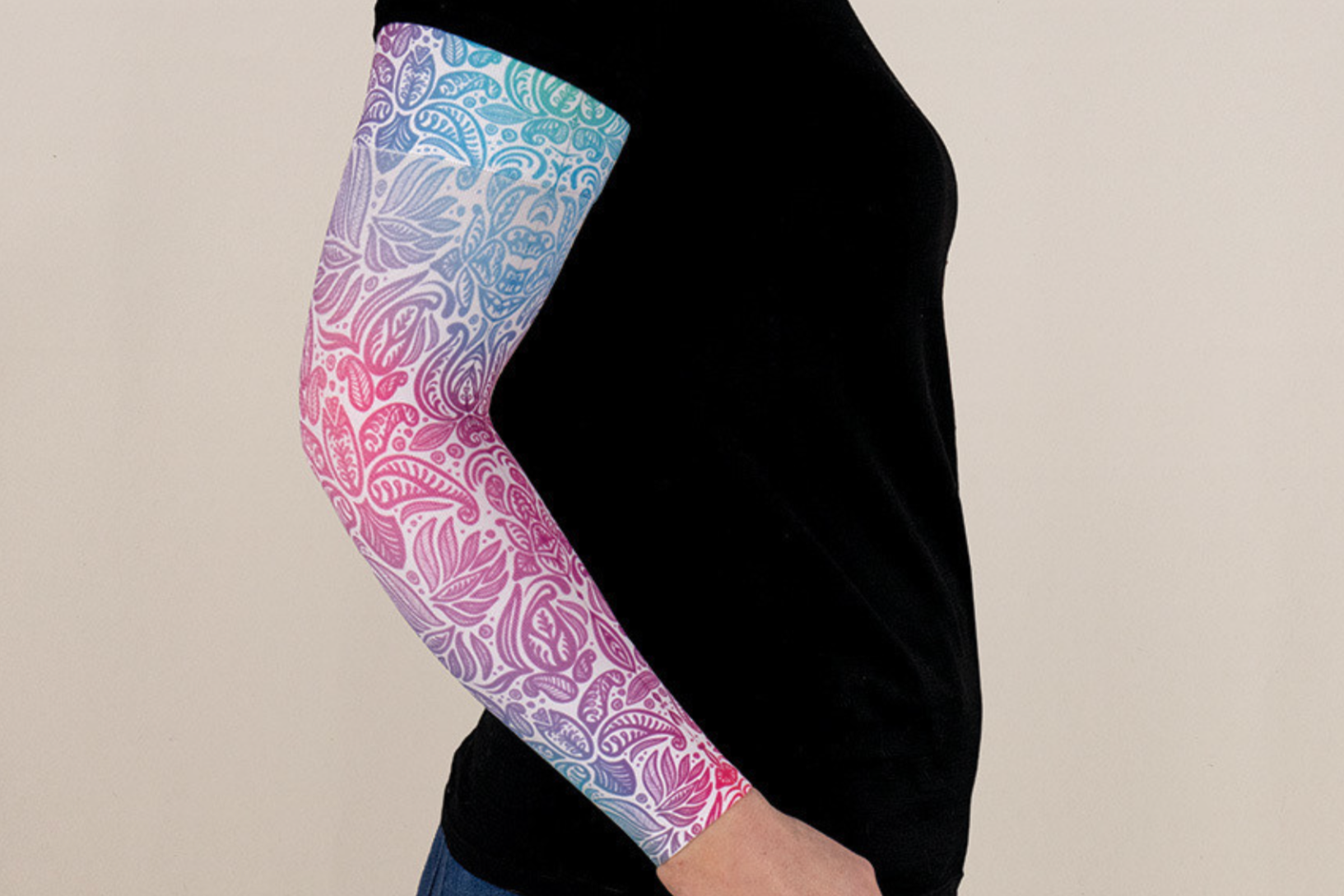
I order my sleeves and gauntlets through LympheDIVAs. They are the brand my therapist fitted me for and the brand I have worn for years. Their fit and quality are consistent across reorders, and they offer patterns and colors that make daily wear feel a little more like me.
Most insurance plans cover medical-grade compression with a prescription from your therapist or oncologist. LympheDIVAs offers fitting through their network of therapists and direct ordering once you have professional fitting documentation.
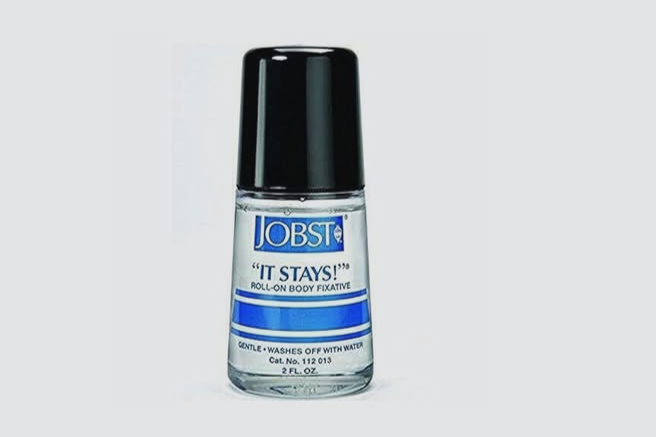
Bell-Horn "It Stays!" Roll-On Body Adhesive
A small roll-on bottle of hypoallergenic, water-soluble body adhesive. You apply it to the band of skin where the top of your sleeve will sit, let it dry for a moment, and then put on your sleeve as usual. It holds the garment in place all day. It washes off with plain water. It does not irritate skin or stain garments. It is the same product that Mediven and Jobst recommend for their own compression garments, sold under different labels.
This single discovery has changed my daily compression experience more than almost anything else in the last several years. My sleeves stay where they are supposed to. I am not constantly adjusting. The compression actually does what it is designed to do for the full day.
If you have been quietly suffering through rolling sleeves the way I did — and most women with compression sleeves have been — this is the small, inexpensive, life-changing fix.
A Practical Solution for Sleeves
That Roll Down
One of the most underdiscussed daily frustrations of compression therapy.
For years, I lived with one of the most common and least-talked-about problems of wearing compression sleeves: they roll down.
The top band slips. The fabric bunches behind the elbow. Halfway through the day, the sleeve has migrated several inches down the arm, no longer providing proper compression, no longer doing the job it is meant to do. I would adjust, and adjust again, and tug, and pull, and feel slightly defeated by an inanimate piece of fabric that refused to stay where it was supposed to.
I suffered through this for years before I discovered the solution.
A note on cooler summer garments
If you live somewhere warm or struggle with compression sleeves in summer heat, there are several brands working on lighter, more breathable medical-grade compression. Your therapist can guide you to the right brand for your situation.
I am personally exploring cooler-fabric options now. As I find ones that work well for daily wear in summer heat, I will update this page.
Daily Truncal Comfort
A note on regular-grade light compression for the body.
For my daily truncal support, I wear a regular cami with light shaping rather than a fitted medical garment. This is not medical-grade compression and is not appropriate for women with significant truncal lymphedema — for that, your therapist will fit you for the proper compression cami or vest. But for the lighter daily support I personally need, a soft shaping cami works.
I am sharing this because women often ask me what I wear under my clothes daily, and I want to be honest about what I actually do. If you are unsure whether you need medical-grade truncal compression, please ask your therapist. The garment I wear is a comfort decision; medical-grade truncal compression is a clinical decision.


Pneumatic Compression At Home
Pump therapy — a meaningful daily practice.
I use the Flexitouch system at home for daily pump therapy — two hours each day. Pneumatic compression is a prescribed medical device, not a consumer purchase. Pumps systematically compress and release the affected limb in a sequence that helps move lymph fluid where it needs to go.
Pumping at home has become one of the most meaningful parts of my daily lymphedema management. The two-hour daily commitment was hard at first; over time, I have learned to pair it with reading, writing, or quiet activities so it feels like time for myself rather than time managed by my body.
If your therapist or oncologist has mentioned pump therapy as part of your management plan, Tactile Medical (Flexitouch) is one of the leading providers in the United States. They work with insurance and prescription requirements directly and have a process for evaluating whether the device is right for your situation.
This is an information link only — not a sales link. The Flexitouch system requires a prescription, an evaluation, and insurance navigation. Your therapist or oncologist can refer you.

Skin Care for the Affected Limb
Daily moisturizing as preventive medicine.
Lymphedema-prone skin needs daily moisturizing to stay supple, intact, and protected. Cracks, dryness, or breaks in the skin can lead to cellulitis — a serious bacterial infection that women with lymphedema are especially susceptible to. Cellulitis can require IV antibiotics and hospitalization, and it can cause lasting damage to the affected limb.
Daily skin care is one of the most important preventive practices in lymphedema management.

Jojoba Oil
Light, gentle, non-occlusive. Good for daily moisturizing without clogging pores. The oil I have used through cancer treatment and continue to rely on for daily skin care.
See on Amazon →
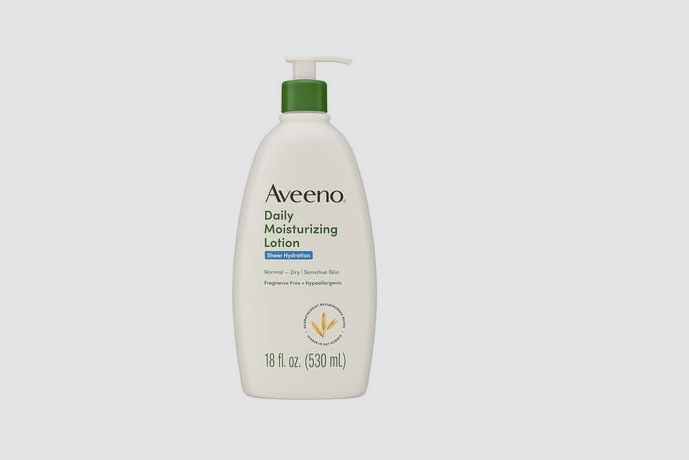
Aveeno Daily Moisturizing Lotion
Fragrance-free, gentle, designed for sensitive skin. The reliable everyday option I keep within reach.
See on Amazon →
A note on skin care for lymphedema:
Avoid heavily scented lotions, products with alcohol, or anything that strips moisture
Avoid adhesive bandages or dressings on the affected limb when possible — they can damage skin upon removal
Avoid blood draws, blood pressure cuffs, and IV insertions in the affected arm whenever possible (advocate for the unaffected arm in medical settings)
If you notice redness, warmth, swelling, or any sign of infection on the affected limb, contact your medical team immediately — cellulitis is a real risk and warrants prompt evaluation

Movement & Lymphatic Stimulation
The lymphatic system has no pump of its own.
Unlike the cardiovascular system, the lymphatic system has no central pump. It relies on muscle movement, breath, gravity, and external stimulation to move fluid through the body. Daily gentle movement is one of the most effective things I do for my own lymphedema management.
Beyond compression and pumping, the practices below are part of my daily and weekly routine. As with everything on this page — talk to your certified lymphedema therapist about whether these are appropriate for your specific situation, especially if you are in active treatment, post-surgery, or experiencing a flare.
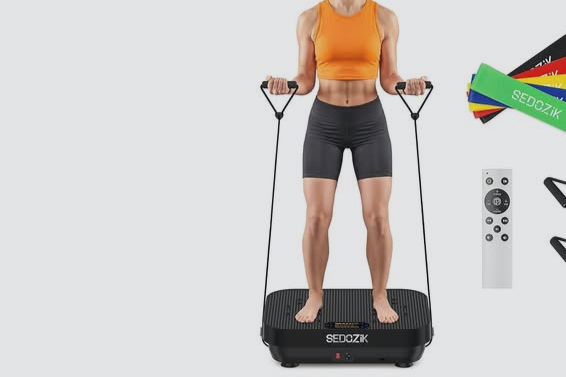
A Vibrating Plate
I use a vibrating plate for daily whole-body stimulation. The gentle, sustained vibration helps move stagnant lymph fluid, particularly on days when my energy is lower and a longer workout is not possible. Sessions are short — five to ten minutes — and surprisingly effective.
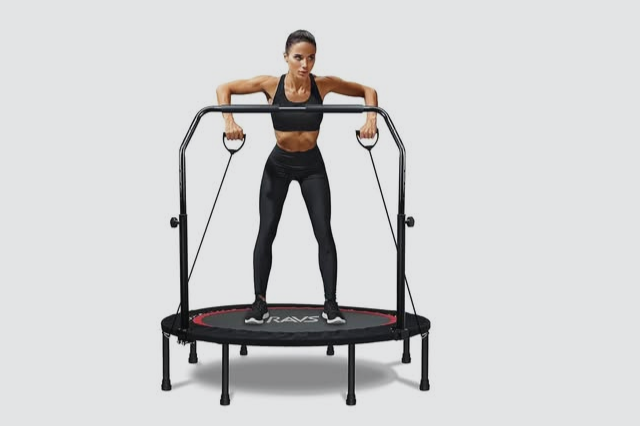
A Mini Trampoline (Rebounder)
Rebounding — gentle bouncing on a mini trampoline — is sometimes called the "perfect exercise" for lymphatic flow. The rhythmic compression and release as your feet leave and meet the surface creates a pumping action that helps move lymph fluid. It is gentle on joints, manageable in short sessions, and surprisingly fun. Five to ten minutes is enough.

Swimming and Water Movement
Swimming is one of the most therapeutic exercises for lymphedema, and one of my favorites. The hydrostatic pressure of water provides natural compression across the entire body — including the trunk, where compression garments are often hardest to fit. Cool water is gentler on lymphedema-prone tissue than warm water.
If you have access to a pool — community pool, gym, YMCA, or otherwise — water movement is worth incorporating into your routine. Even gentle water walking or aquatic movement (without competitive swimming) provides real benefit.
This is one practice I cannot link to a product for. The gift of swimming is access to water, not something to buy.
A note on movement and lymphedema:
Different bodies and different stages of lymphedema respond differently to movement. What works for me may not work for everyone. Always check with your certified lymphedema therapist before adding new movement practices, especially if you are in active treatment, post-surgery, or experiencing a flare. Start small. Listen to your body. Stop if anything increases swelling or discomfort.
The goal is consistent, gentle, daily movement — not intense exercise that exhausts the body's lymphatic capacity. Less is often more in lymphedema management.
What I have Learned in Seventeen Years
A few things I wish someone had told me earlier.
Lymphedema management is not optional.
There is no "wait and see" approach that ends well. Daily attention is the difference between stable management and progression.
Your therapist matters.
A skilled certified lymphedema therapist is one of the most important relationships in your survivorship care. If your current therapist does not feel like a fit, find another one. The relationship is long-term and personal.
Your medical team may underestimate your lymphedema.
Many oncologists and primary care physicians have minimal training in lymphedema management. Advocate for yourself. Ask for referrals to certified therapists. Pursue the care you need.
Insurance coverage varies wildly.
Some plans cover compression garments fully; others cover none. Some cover pump therapy; others do not. Some cover therapy visits; others limit them. Become informed about your specific coverage and advocate for what you need.
Lymphedema flares.
After heat exposure, long flights, illness, injury, or stress, your lymphedema may flare. Have a plan for managing flares — extra compression, extra pumping, extra skin care, less movement until things settle.
It does not have to define you.
Lymphedema is part of my daily life. It is not the headline of my life.
With the right tools and routines, you can live fully — travel, exercise, work, write, raise children, love, do meaningful work — even with lymphedema as a daily companion.
Finding a Certified Lymphadema Therapist
The most important step.
If you have not been evaluated by a certified lymphedema therapist, this is the first thing to do. Compression, pumping, and movement decisions should be guided by a clinician who has been trained specifically in lymphedema care.
Your medical team can refer you. If they do not, ask directly. You can also find certified therapists through:
A note on finding a therapist: In some communities, the wait for a certified therapist can be long. There may be only one or two CLTs serving a region of hundreds of thousands of people. If your local options are limited, consider:
Asking your oncologist or surgeon for an out-of-network referral
Traveling to a larger city for an initial evaluation, then maintaining care through telehealth
Joining a virtual support community (LE&RN has online groups) while you wait for an appointment
Advocating with your insurance for coverage of an out-of-network specialist

Lymphology Association of North America (LANA)
A directory of LANA-certified lymphedema therapists across the United States.

Klose Training & Consulting
A respected directory of certified lymphedema therapists with training through the Klose program.

Lymphatic Education and Research Network (LE&RN)
A national nonprofit organization advocating for lymphedema patients and supporting the lymphedema community. Their resources include patient support, advocacy programs, and educator pathways.
Related Resources
For further reading and connection within the Hope Lives Now community:
The Day I Realized Lymphedema Was Running the Show(essay) A personal reflection on the moment I stopped treating my body's signals as complaints and started listening. The story behind why I take lymphedema management seriously now. [Read the essay →]
Mastectomy Recovery: A Survivor's Guide(care guide) For women in early recovery from mastectomy, the dedicated guide for the first six weeks of recovery. Visit the Mastectomy Recovery Guide →
Subscribe to Notes from the MiddleI write about survivorship realities every Friday in my free Substack newsletter. Subscribe below to receive new essays as they are published. [Flodesk subscribe form]
Lymphedema is one of the quiet, persistent realities of survivorship. It is also one of the most manageable — when you have the right tools, the right care, and the right rhythms.
You are not alone in this. Most women who have lymphedema have figured out their daily practice slowly, alone, often without enough guidance from their medical teams.
This page is one small attempt to close that gap.
There is a body of women, scattered across the country and the world, who wake up each morning, put on a compression sleeve, do their pump therapy, moisturize their skin, get on the rebounder, swim a few laps, eat their breakfast, and go on with their lives.
We are here. We are managing. We are still becoming familiar with these bodies,
even seventeen years in.
You are part of us now.
— Kim
The links on this page may be affiliate links. If you purchase through them, Hope Lives Now earns a small commission at no additional cost to you. That support helps me continue this work — writing, encouraging, and serving women walking through illness, recovery, and long-term survivorship.
Tactile Medical, LympheDIVAs, and the certified therapist directories are not affiliate-linked. They are included because they are the real resources I rely on and recommend.
This page reflects my personal experience and is not medical advice. Please consult a certified lymphedema therapist for guidance specific to your situation.