
Mastectomy Recovery
What actually helps in the days and weeks after surgery.
Recovery after mastectomy is physical, emotional, and often more exhausting than people expect.
This guide is for the woman recovering — and for the people trying to care for her well.
What this guide is for
Mastectomy recovery asks a lot of the body.
There is limited arm movement. Drains. Sleeping at an incline. Tenderness.
Careful showering. The strange effort of doing simple things more slowly than usual.
And then there is the emotional side — the body changes, the fatigue,
the feeling of being both grateful and overwhelmed at the same time.
This guide is built around the things that make those early days gentler.
Not everything here will fit every recovery. Take what serves you. Leave what does not.
What Helps Most in Early Recovery
How to think about mastectomy recovery support
This guide is organized around four kinds of support:
Soft layers she can actually wear
Clothing that works with limited movement, drains, tenderness, and rest.
Tools that reduce daily effort
The small items that make getting dressed, showering, sleeping, and reaching feel more manageable.
Comfort for the body
Things that ease tenderness, support positioning, and make the body feel a little more cared for.
Comfort for the spirit
Small reminders that she is still herself in the middle of recovery.
You do not need everything. Start with what will make the next few days easier.

Soft Layers She Can Actually Wear
Clothing that works with recovery, not against it.
After surgery, even getting dressed can feel like work.
The most helpful clothing is soft, easy to put on, and gentle against a tender body. Front-opening pieces matter. Loose layers matter. So does having something that feels a little bit like yourself.
Think comfort first. But do not underestimate the power of feeling a little more human in what you wear.
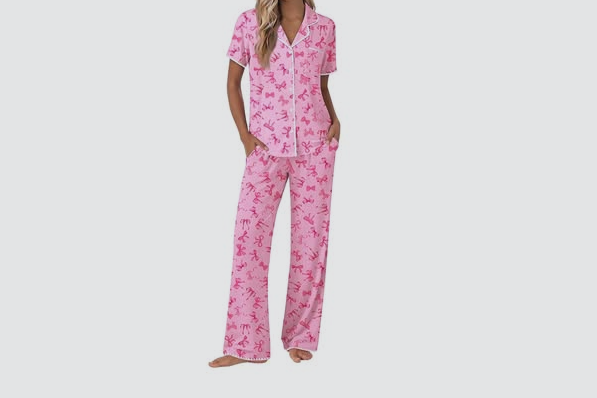
Button-Front Pajamas
The single most important clothing item for mastectomy recovery. Soft, button-front pajamas — both top and bottom — that she can put on and take off without lifting her arms.
Choose 2-3 sets so she has rotation.
Pretty patterns are part of the medicine.
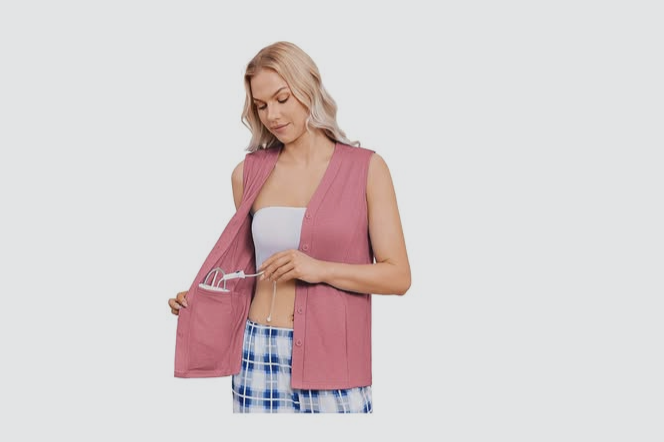
Front-Zip or Snap-Front
Recovery Tops
Specifically designed for post-surgery recovery, these tops have internal pockets to hold drainage bulbs, full-front openings, and soft fabrics. Worth the investment for the first 4-6 weeks especially.
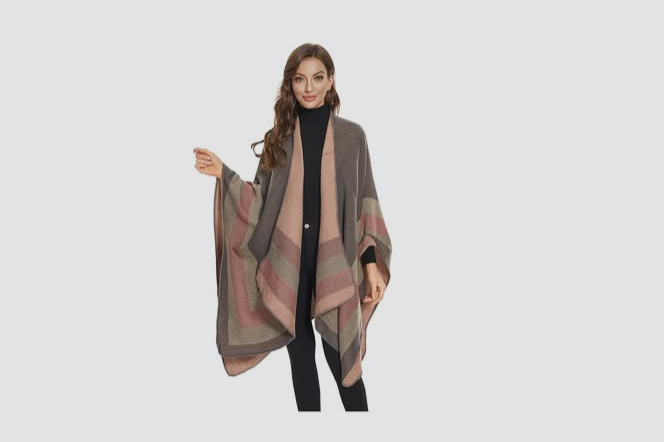
A Soft Cardigan or Wrap
For the in-between layers. A loose, button-front or open-front cardigan that goes on without overhead movement. Soft fabric. No tight cuffs.
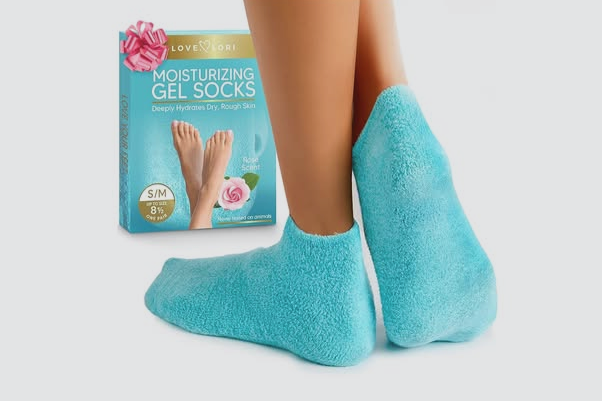
Soft socks
For warm feet during the long recovery hours. Hospital socks are scratchy. Soft cotton or bamboo socks at home make the difference.
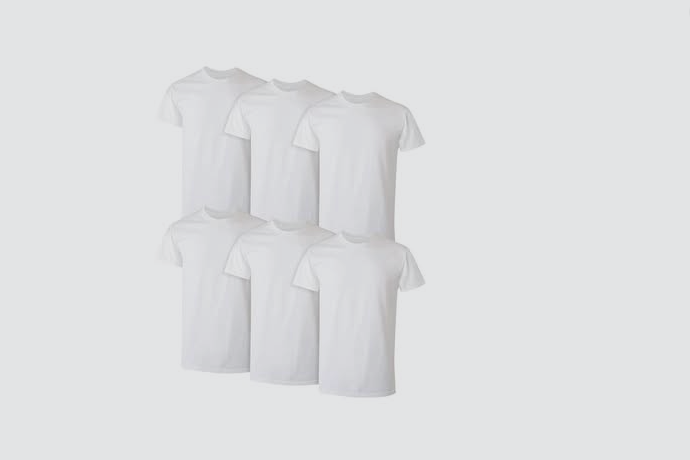
Men's White Hanes T-Shirts
This is a survivor hack, not a marketing recommendation. Buy a pack of men's plain white Hanes T-shirts (size up if needed). Cut them down the front to create a front-opening shirt. The shirts are soft, well-priced, and the cut-down-the-front opening lets you pin the drainage tubes to the inside of the shirt fabric, which keeps them from pulling on the body. This was one of the most useful things I learned during my own DIEP recovery.
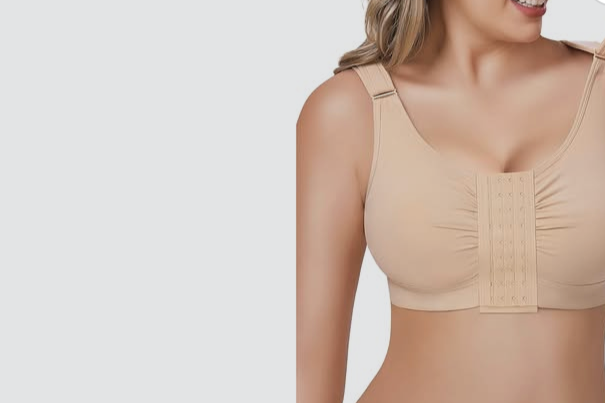
A Post-Surgical Bra
For the women who need or want one. Front-closing, soft, with no underwire. Surgical teams usually specify the type and brand they prefer; check with the medical team before purchasing.
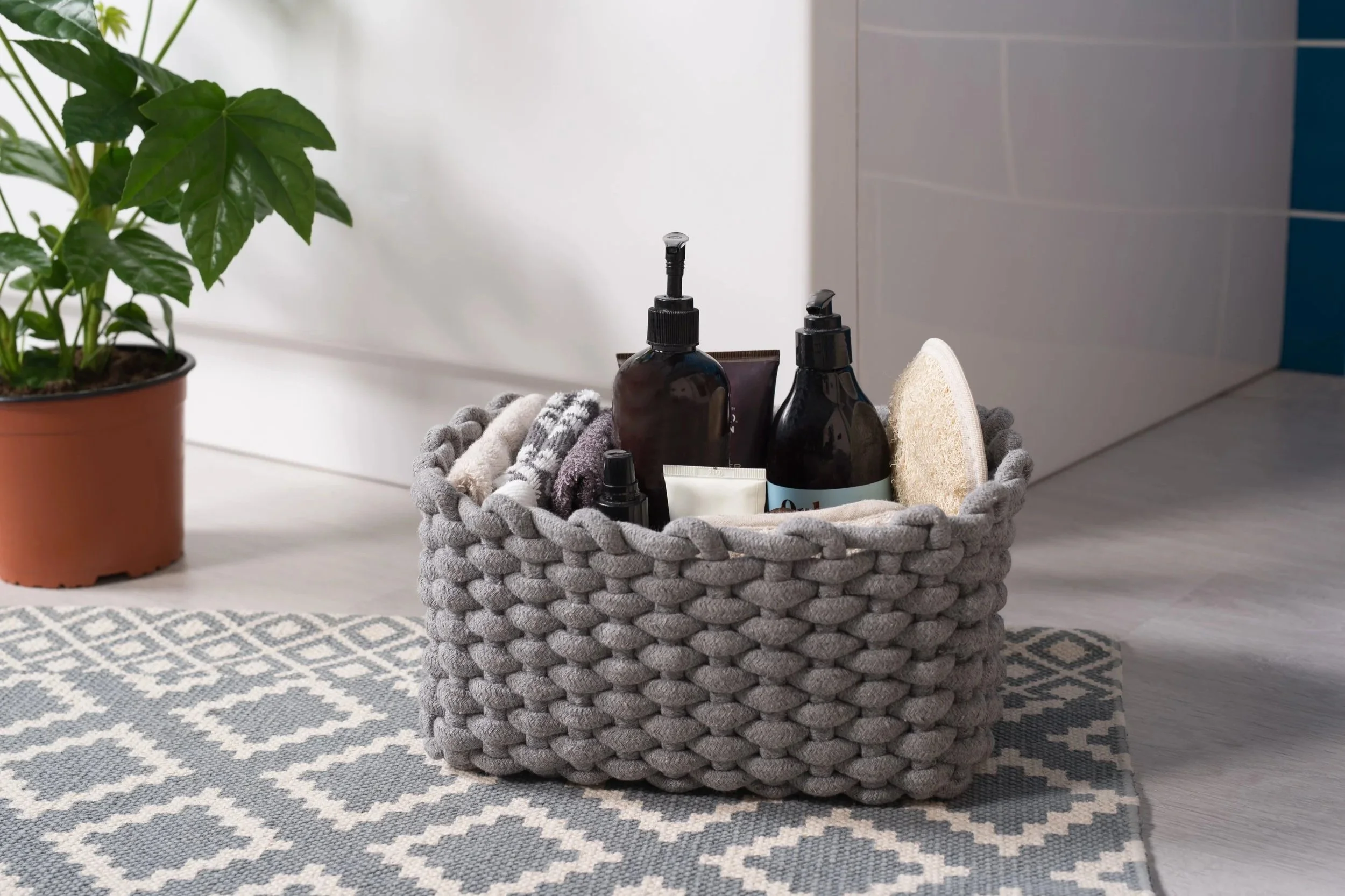
Tools That Reduce Daily Effort
Small things that make recovery less frustrating.
This is one of the most practical parts of recovery support.
The right tools can make it easier to sleep, sit up, shower, manage drains, and move through the day with less strain. These are the items that reduce the number of times she has to reach, twist, lift, or improvise.
They may not look glamorous. They matter anyway.
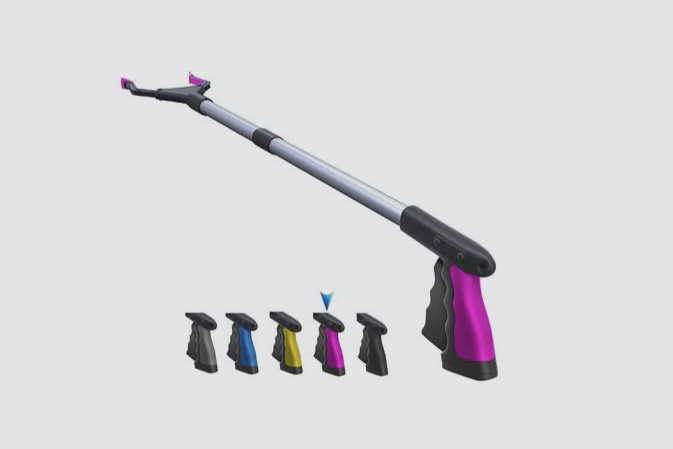
A Reacher or Grabber
The tool you will use a hundred times. For picking up items from the floor, reaching things on shelves you cannot stretch toward, and avoiding the overhead reach for at least four to six weeks. Choose a long-handled, lightweight model.
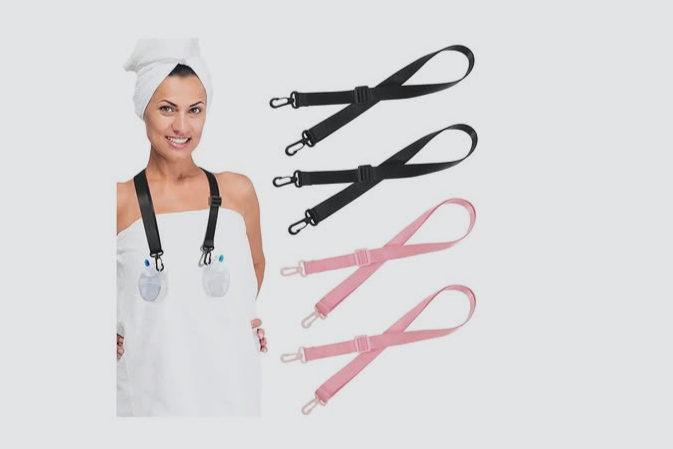
A Drainage Tube Lanyard
If she has surgical drains (typical after mastectomy and DIEP), the drains need somewhere to go during showering, walking, and daily movement. A simple lanyard or a recovery-specific drain holder loops around the neck or attaches to a robe. This was one of my own most-used items — the lanyard let me shower without holding my drains in my hand.
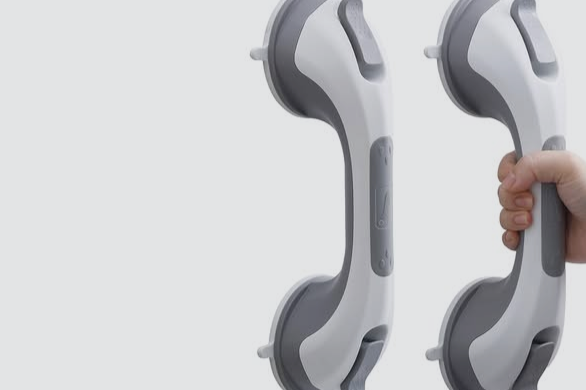
Bathroom Grab Bars
Mobility into and out of the tub or shower is a real concern in recovery. Grab bars (suction-mounted ones can be installed without drilling) provide stability and prevent falls. This is especially important during the heavily medicated first week.
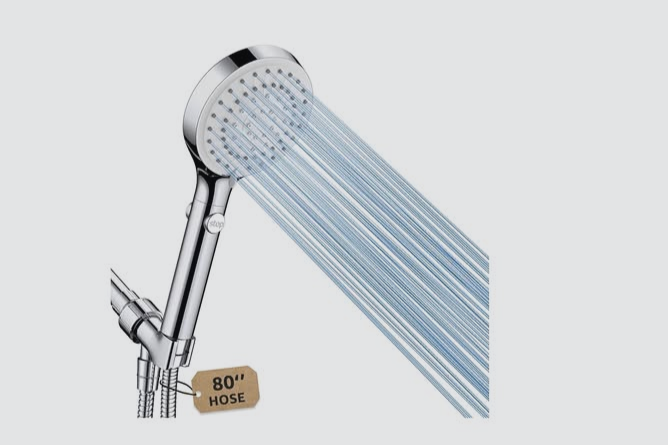
Shower Wand or Detachable Shower Head
Washing hair is one of the hardest things in mastectomy recovery, especially in the first few weeks. A handheld shower wand makes it possible for someone to help wash her hair while she stands or sits, without her needing to raise her arms. Worth installing before surgery if possible.
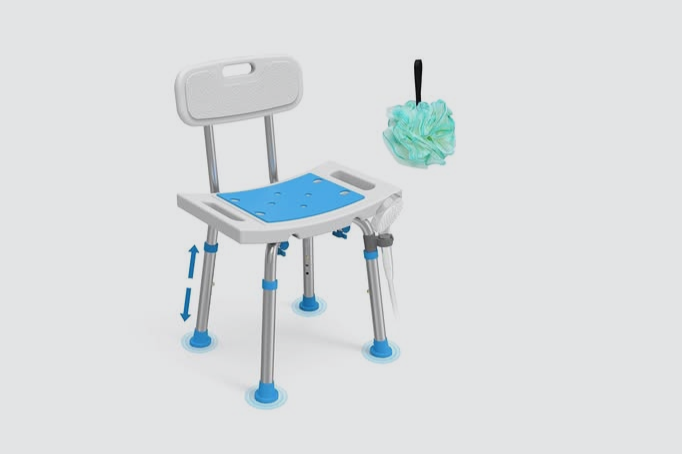
A Shower Stool or Seat
Standing in the shower for the time it takes to wash, condition, and rinse hair is exhausting in early recovery. A simple bath stool turns showering from an ordeal into a manageable event.
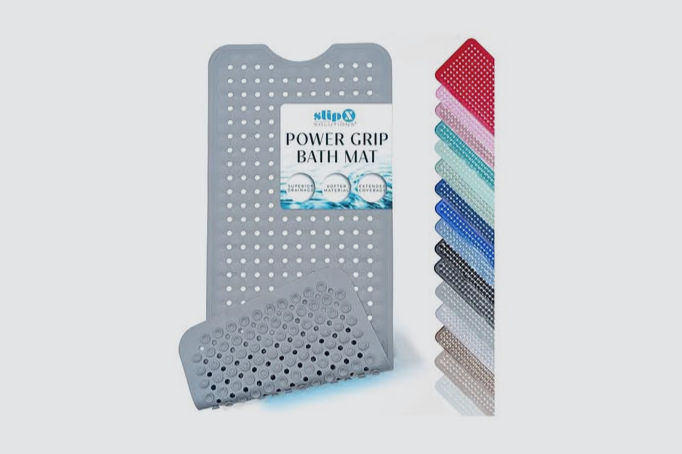
A Non-Slip Bath Mat
Falls in the shower are catastrophic in recovery. A high-quality non-slip bath mat is one of the small investments that prevents big problems.
Comfort for the Body
The small things that make the body feel cared for.
Recovery is not only about healing. It is also about comfort.
Tender skin. Tightness. Swelling. Incisions. Fatigue. The need to prop, cushion, soften, and support.
These are the items that help the body rest a little more easily and feel a little less overwhelmed by everything it has just carried.
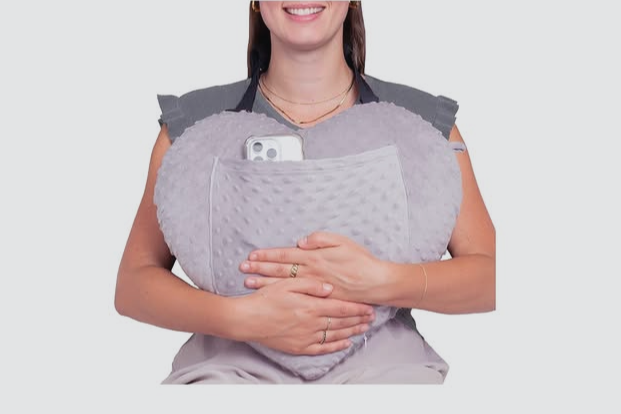
A Heart-Shaped Recovery Pillow
Designed specifically for post-mastectomy recovery, the heart pillow tucks under the arm to ease pressure on the surgical site, provides cushioning during car rides (where seatbelts run directly over the chest), and offers gentle support during sleep. One of the most genuinely useful items in mastectomy recovery. Many hospitals provide one; if not, this is a thoughtful gift.
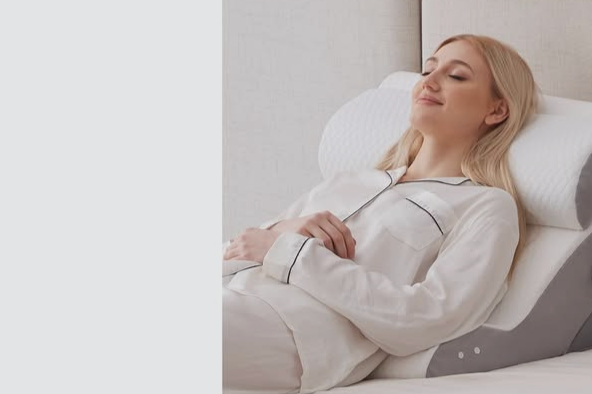
Wedge Pillow for Sleeping
Most women cannot sleep flat for the first 2-3 weeks after mastectomy. A wedge pillow allows for comfortable sleep at an incline, which is what surgical teams typically recommend. Choose a memory foam wedge with a removable cover.
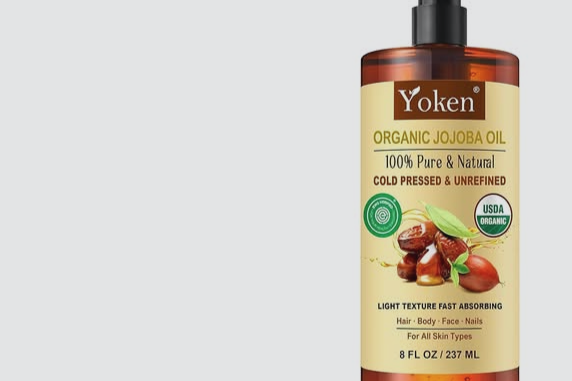
Jojoba Oil
(For Scar Care, When Healed)
Once the surgical team confirms incisions have healed sufficiently — typically 4-8 weeks post-surgery, but always confirm with the medical team — jojoba oil applied gently to scars helps with softening and appearance. Apply at night, never before sun exposure. Always defer to the surgical team's specific scar care protocol.
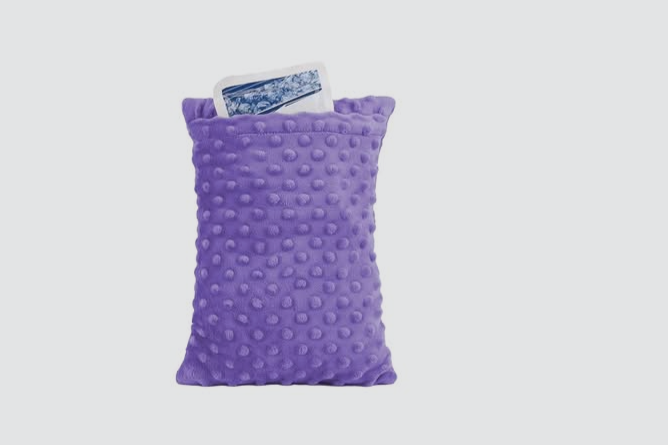
A Small Pillow for "Guarding"
A small soft pillow that she can hold against her chest while coughing, sneezing, laughing, or moving from sitting to standing. The light pressure protects the surgical site and reduces pain during sudden movements. This is a real recovery tool, not just a comfort item.
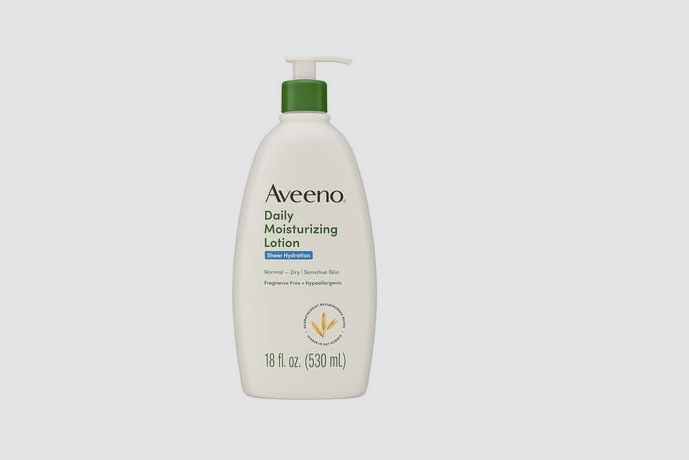
Gentle, Unscented Skincare
The skin around the chest is sensitive after surgery. A gentle, unscented body lotion (avoid heavily perfumed or ingredient-heavy formulations) is what to use. Eminence Stone Crop line is what I used; any clean unscented brand works.
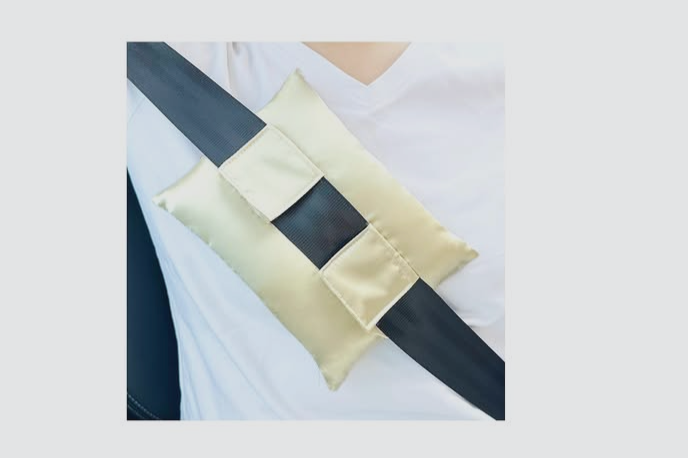
A Seatbelt Protector or Cushion
During car rides — to follow-up appointments, to physical therapy, anywhere — the seatbelt runs directly across the chest and creates significant discomfort. A soft seatbelt cushion or protector solves this immediately. Especially important if she will be having radiation, where chest sensitivity becomes pronounced.
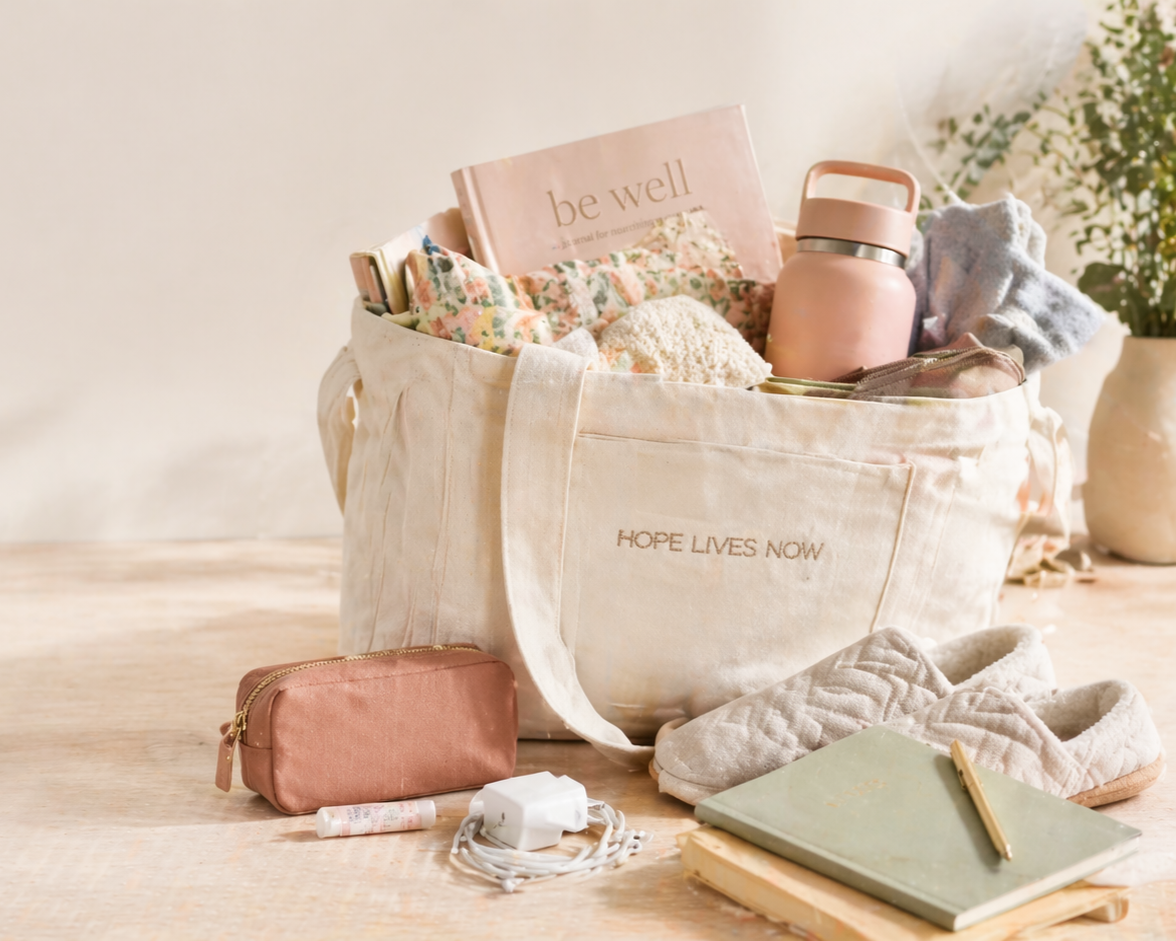
Comfort for the Spirit
Small things that remind her she is still herself.
Mastectomy recovery is not just physical. It can stir up grief, fear, gratitude, disorientation, and exhaustion all at once.
The right small comforts do not fix that. But they can make the days feel less lonely.
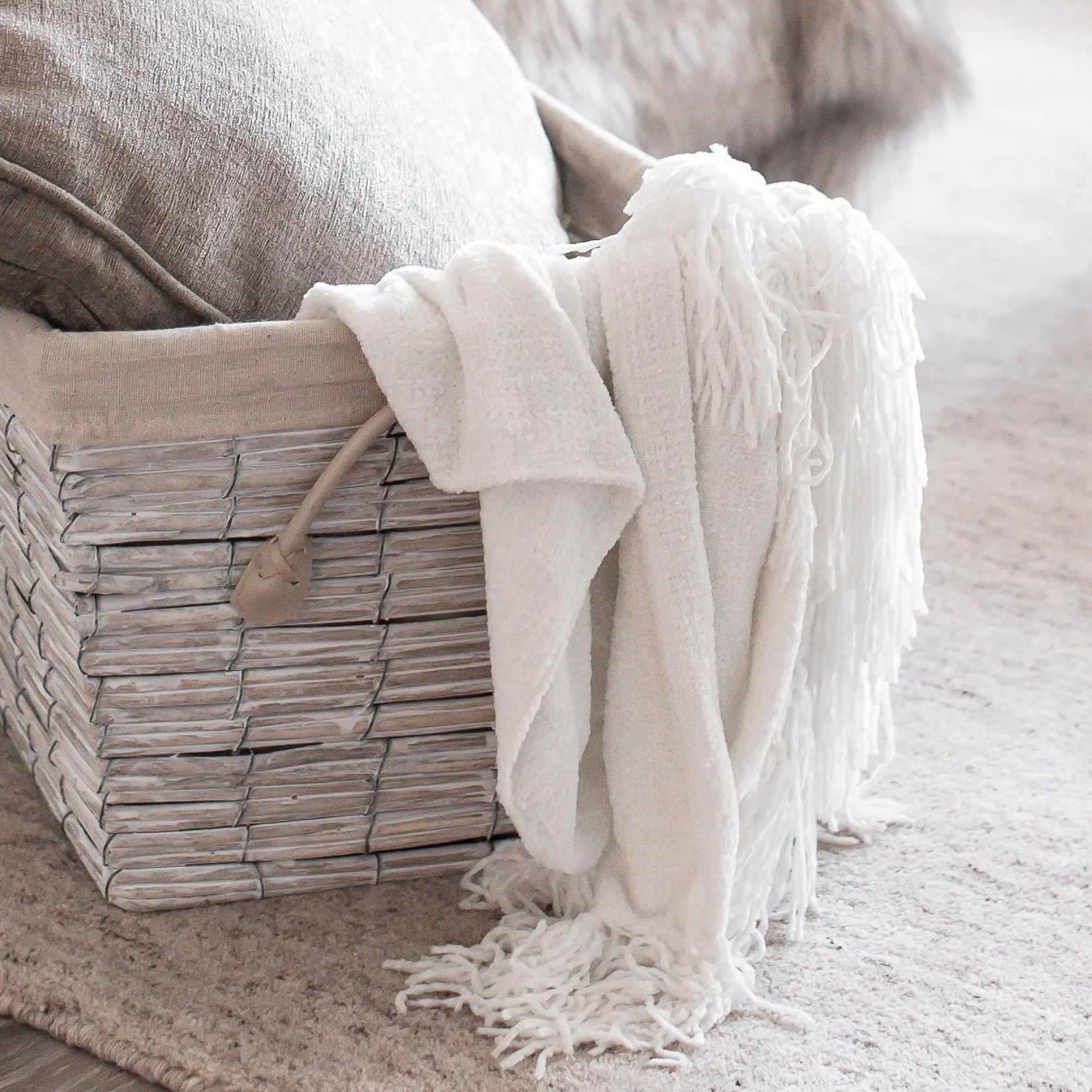
A journal. A prayer card. A soft wrap. A meaningful book. A familiar object from home. These things remind her that even here, she is still herself.
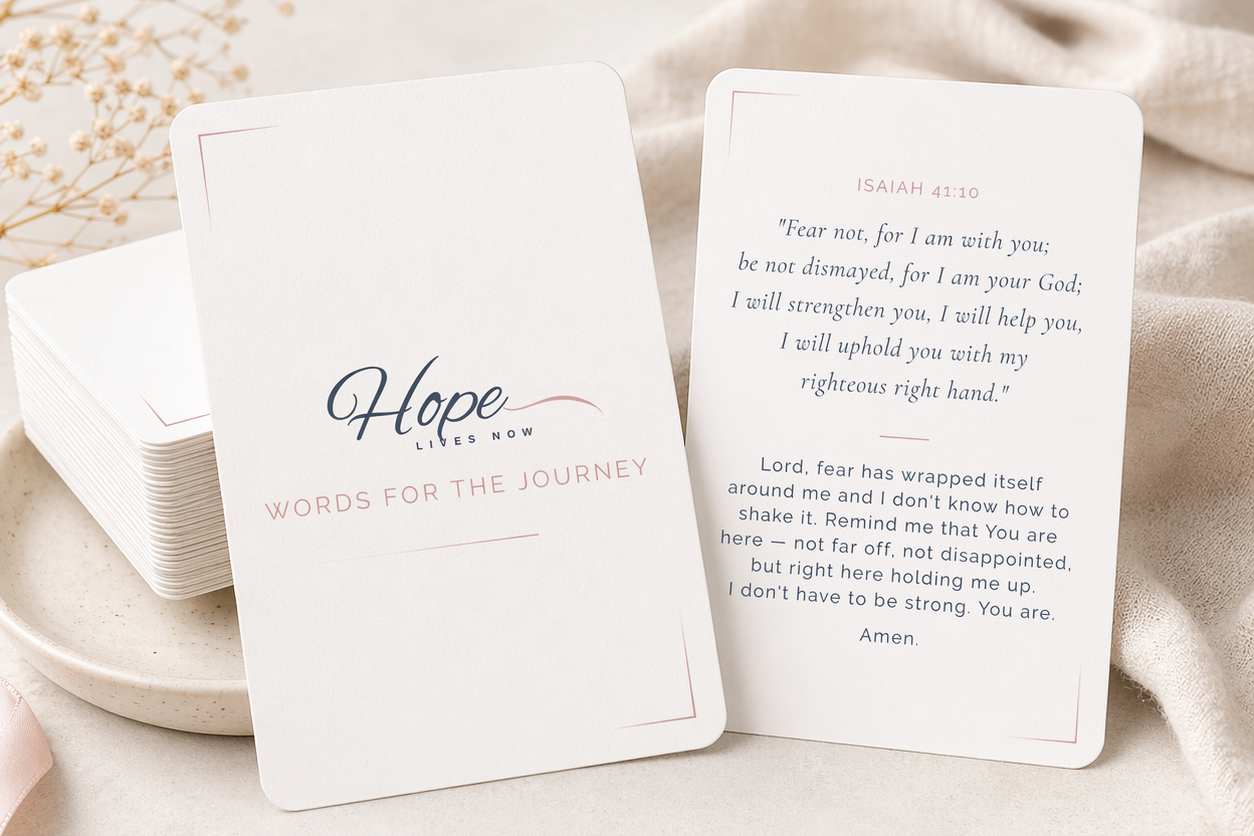
A Hope Lives Now
Scripture Card Set
Hand-designed scripture cards — small, portable, beautifully designed for the bedside, the windowsill, or the bathroom mirror. Reminders for the harder mornings. From the Hope Lives Now shop.
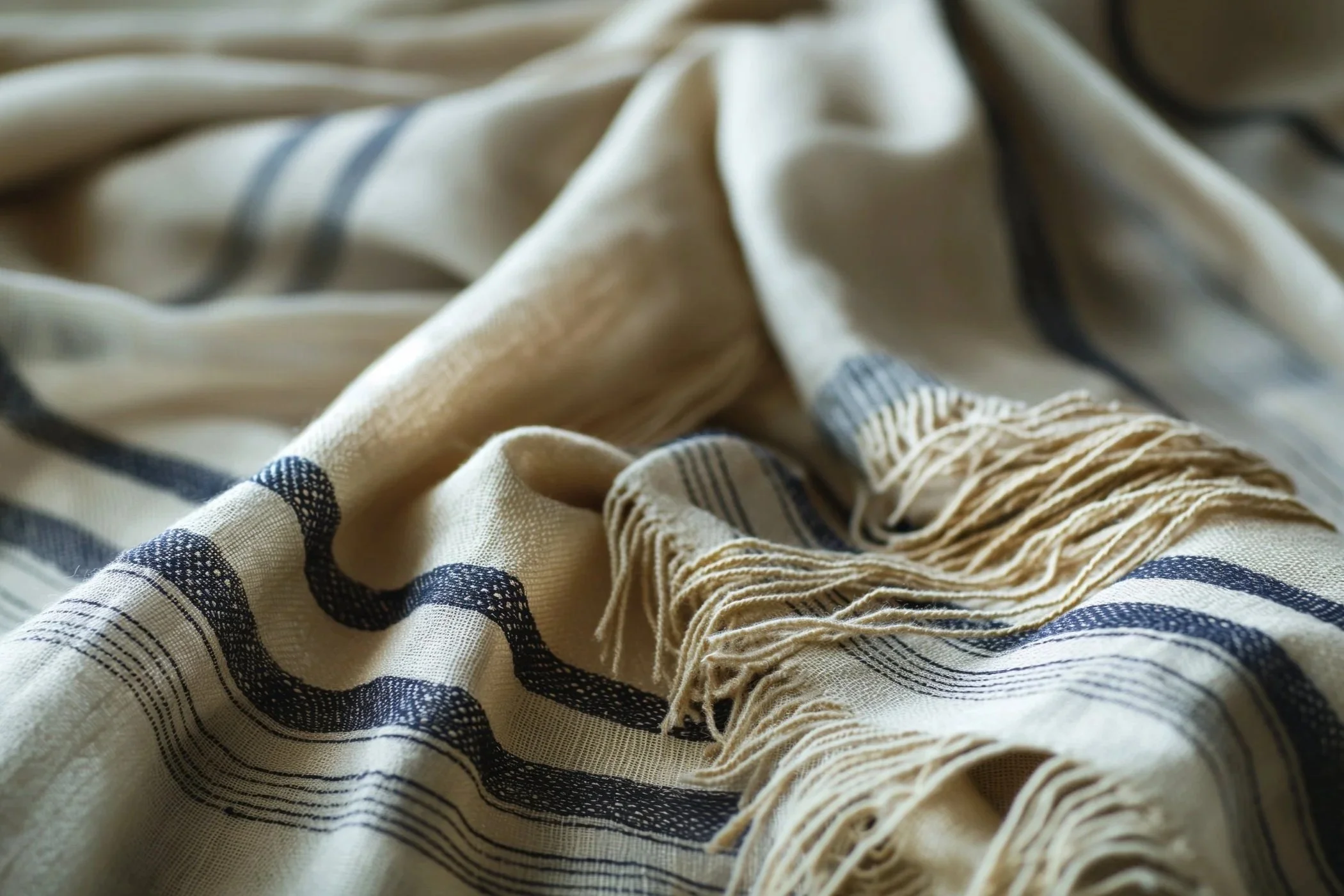
A Hope Lives Now Prayer Shawl (Coming Soon)
A prayer shawl is one of the most physically and spiritually comforting items for chest surgery recovery. The soft weight, the warmth across the shoulders, and the knowledge that it has been prayed over make it a true companion through the recovery weeks. From the Hope Lives Now shop.
Notify Me When Available →
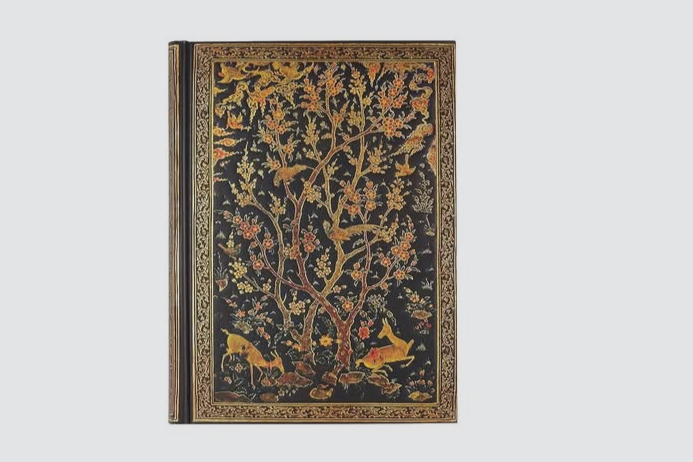
A Beautiful Journal
For the thoughts that need somewhere to land. The grief, the gratitude, the questions, the small moments of progress. A journal is one of the most useful tools for processing the inner work of recovery.


A Devotional for Hard Seasons
Short daily readings, aimed at a tired heart. Easy to pick up and put down. Something to read in five minutes between rest periods.
Audiobooks or Streaming Subscription
For the days when even reading is too much. A good audiobook, a comfort show, a familiar podcast. The gift is sometimes not the content — it is permission to rest.
No link needed — gift cards to Audible, Spotify, or her preferred service work beautifully.

Faces of Cancer
(Coming October 2026)
A book of permissions for women walking through cancer and the people who love them — including a chapter specifically about mastectomy and the complicated grief of body change.
A Note on Lymphedema
For women who have had lymph node removal as part of mastectomy, lymphedema is a real long-term consideration.
Compression garments, pump therapy, skin care, and movement practices all play a role in daily management.
Because lymphedema management is its own ongoing layer of survivorship — not just a recovery-phase concern —
I have built a separate resource page covering everything I have learned in seventeen years of living with it.
If you only start with a few things, begin here
If you are overwhelmed or buying for someone else, you do not need to get everything.
Start with:
one soft front-opening layer
one positioning or support pillow
one practical recovery tool
one body-comfort item
one small emotional or spiritual comfort
That is enough to make a real difference.
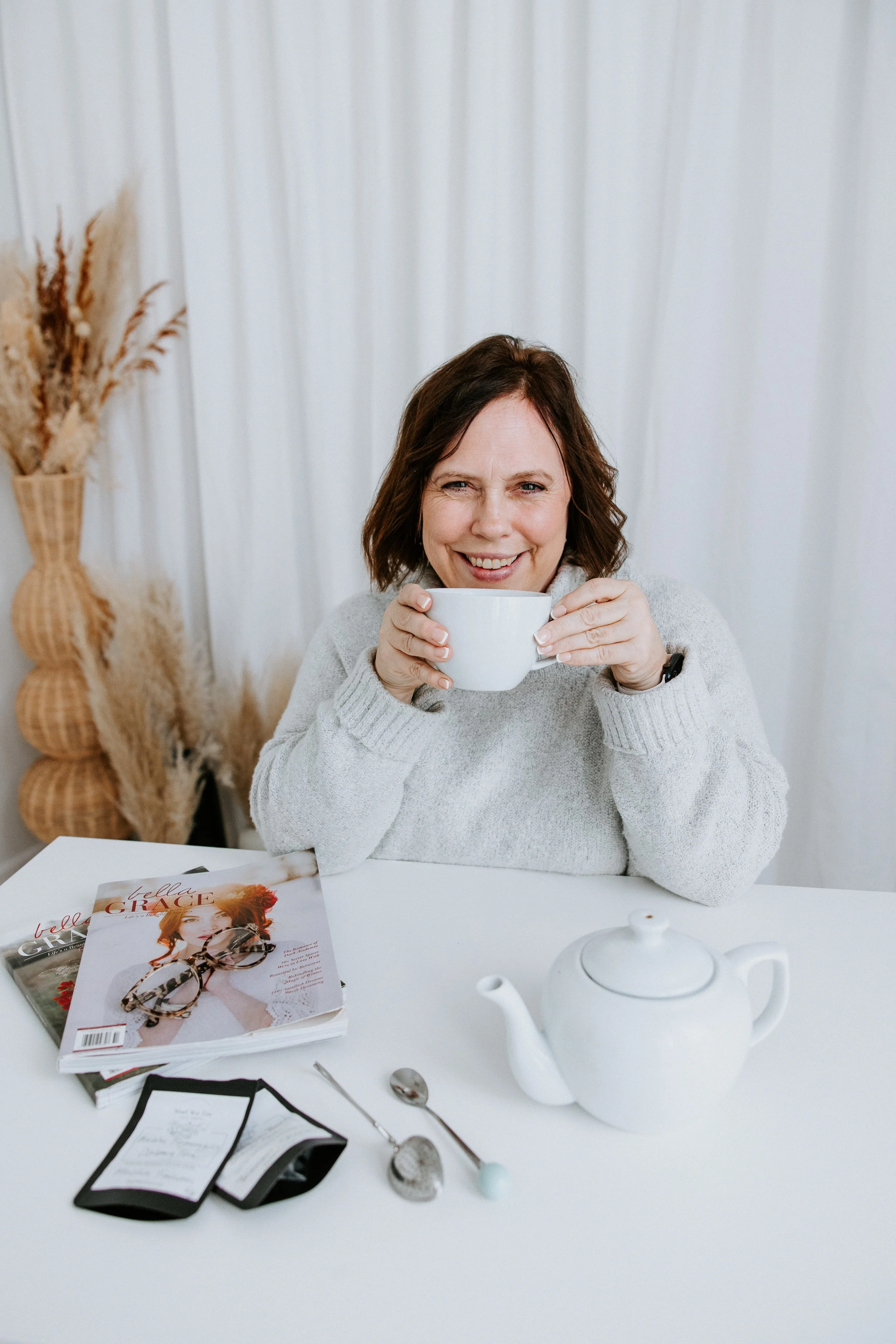
A note from me
I know this recovery is more physical and more emotional than many people expect.
The right small things do not change the hard part. But they can make the days gentler, the movements easier, and the body feel more cared for.
That matters more than people realize.
What Matters Most
What matters most
The best gifts after mastectomy are not always the biggest ones.
They are the ones that make daily life softer.
Easier.
Less lonely.
The ones that say:
You do not have to figure out every small thing on your own.
You are cared for here too.
That is the gift.
Need help with recovery equipment?
I shared more about borrowing tools like lift recliners, wedges, and other recovery equipment here.
Read More
Want the deeper story behind this guide?
I wrote more about what surprised me in recovery, what helped most, and the small things people rarely think to ask.
Read the Story
Looking for more care ideas?
See the Blue Bag, Hope Basket, Comfort for Chemo Days, Hospital Bag Essentials, and other care guides for hard seasons.
Some links on this page are affiliate links. If you purchase through them, Hope Lives Now may earn a small commission at no added cost to you. That support helps continue this work of writing, encouraging, and creating care resources for hard seasons.