When Cancer Makes You Feel Vulnerable
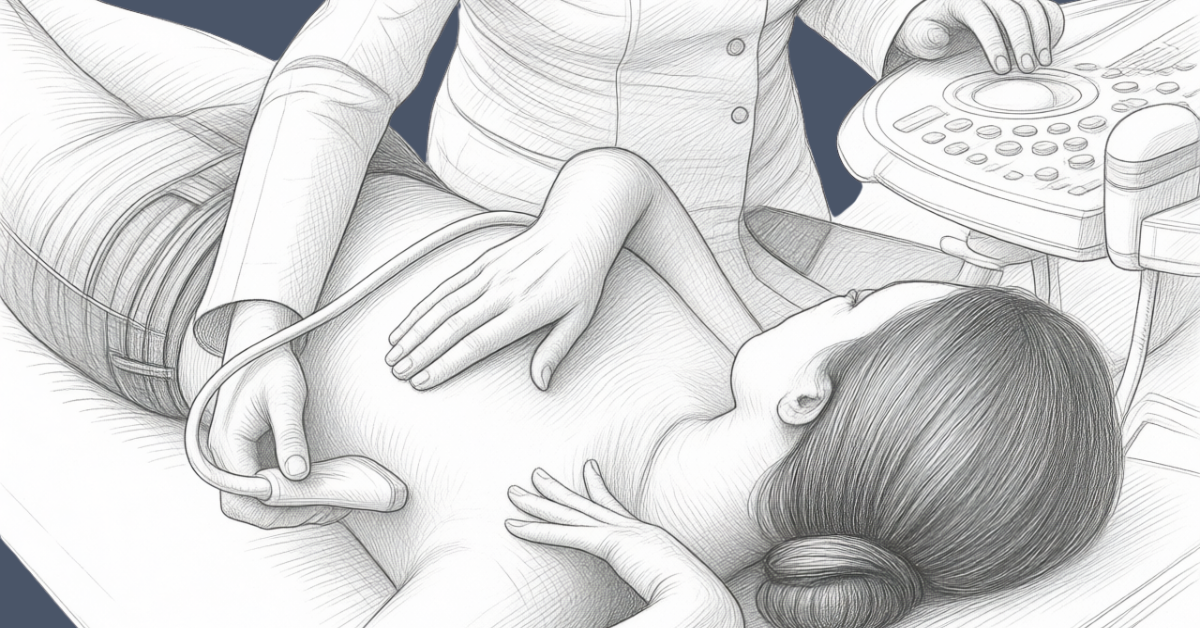
Cancer can make vulnerability feel very physical.
A hospital gown that never seems to close quite right. A stranger examining a part of your body you would normally keep private. Someone helping you shower, get dressed, or empty a drain. Someone seeing scars before you have even figured out how you feel about them yourself.
There can be a strange kind of exposure in illness.
Not only your body, but your fear, your dependence, your uncertainty, and your need.
And if you are someone who is used to being capable, independent, or the one who takes care of everyone else, that can be especially hard.
Vulnerability After Cancer Diagnosis and Treatment
Cancer can ask us to surrender pieces of control we once took for granted.
Your schedule may belong to appointments. Your body may belong to scans, surgery, treatment, and recovery. Your privacy may shrink, your energy may limit what you can do, and you may need help with things you never imagined needing help with.
Sometimes the hardest part is not the task itself.
It is what the task seems to say:
I cannot do this by myself right now.
That can be difficult to admit, especially when you are used to being the person other people depend on.
Needing Help Can Feel Uncomfortable
There is a difference between wanting support and needing it.
Wanting support can feel optional. Needing support can feel vulnerable.
Maybe you need someone to drive you, help with meals, wash your hair, carry groceries, change a dressing, sit with you after surgery, help manage medications, or simply stay close because you do not feel safe being alone yet.
Sometimes the practical need is simple. The emotional weight of needing it is not.
I remember how uncomfortable it felt to need help with things I had never thought twice about doing on my own. The practical need was one thing; what it did to my sense of independence was another.
You may feel embarrassed, frustrated, guilty, dependent, or exposed.
You may even find yourself saying:
I should be able to do this myself.
But needing help in a hard season does not erase your strength. It does not make you less capable.
It means your circumstances changed.
Your Body May Not Feel Like Yours for a While
Cancer treatment can alter the relationship you have with your body.
Scars. Swelling. Hair loss. Weight changes. Numbness. Pain. Ports. Drains. Reconstruction. Loss of sensation. Changes in mobility. Fatigue.
Your body may feel unfamiliar.
It may feel medicalized.
You may look in the mirror and recognize yourself immediately.
Or you may not.
And there can be grief in that.
Not vanity.
Grief.
Because our bodies are part of how we move through the world.
When they change suddenly, it can take time for our sense of self to catch up.
Privacy Can Feel Different Too
There are so many moments in cancer care when privacy becomes negotiable.
Gowns, exams, procedures, measurements, photos, incisions, people coming in and out of rooms, and questions that feel intensely personal.
You may get used to it because you have to.
But “getting used to it” does not mean it never affects you.
There may be moments when you want to say:
Can I just have one thing that still belongs to me?
That feeling is understandable.
Cancer asks us to share so much of ourselves — sometimes before we are ready.
Vulnerability Is Not the Same as Weakness
We often confuse vulnerability with fragility.
But vulnerability is simply the reality that something matters enough to affect us. That we can be hurt. That we need connection. That we cannot control everything.
That we are human.
You can be vulnerable and strong at the same time. You can be scared and still show up. You can need help and still be capable. You can cry and still be courageous.
You can say, “I cannot do this alone today,” and still be resilient.
Strength is not proven by never needing anyone.
Accepting Help Can Be Its Own Kind of Courage
For some people, asking for help is harder than giving it.
We know how to make the casserole, drive someone to an appointment, sit in the waiting room, send the text, pray, and show up.
Receiving is different.
Receiving means admitting there is a need.
And sometimes it means allowing someone else to see us in a season when we do not feel like our best selves.
That can be deeply uncomfortable.
But letting someone help does not make you a burden.
It gives another person the opportunity to love you in a practical way.
You may not be able to give back right now.
That is okay.
Relationships do not have to stay perfectly balanced in every season.
Vulnerability Can Affect Relationships
Illness changes relationship dynamics.
A spouse may become a caregiver. A child may help a parent. A friend may see you on a day when you do not have the energy to pretend you are okay.
You may need to talk about things you would rather avoid: fear, bodies, finances, future plans, sexuality, mortality, dependence.
These conversations can feel exposing.
But they can also create a different kind of closeness.
Not because cancer is good.
But because honesty sometimes opens doors that self-protection keeps closed.
Where God Meets Us in Vulnerability
There can be a temptation to come to God with the polished version of ourselves.
The faithful version. The strong version. The version that trusts without question and handles everything well.
But God already sees beyond that.
He knows the fear, the embarrassment, the frustration, the body you are still learning to live in, the things you do not want anyone else to know, and the places where you feel exposed.
You do not have to perform strength for Him.
You do not have to prove that you are coping well.
You can come exactly as you are.
Tired. Uncertain. Dependent. Changed. Vulnerable.
There is no version of you that is too unguarded for God.
You Are Still You
Cancer may change your body.
It may change what you can do for a season. It may change how you receive help. It may even change some of the roles you have always held.
But those changes do not erase who you are.
You are still more than the scar, more than the diagnosis, more than the patient wristband, more than the medical chart, and more than the person who needs help today.
Vulnerability can make us feel reduced to our needs.
But you are not your needs.
You are a whole person walking through something difficult.
Let Yourself Be Human Here
You do not have to turn vulnerability into bravery right away.
You do not have to love your changed body before you are ready. You do not have to become comfortable receiving help overnight. You do not have to pretend that dependence is easy.
Sometimes the most honest thing you can say is:
This is hard for me.
That is enough.
And maybe over time, you will discover that vulnerability did not make you smaller.
Maybe it simply revealed something true.
None of us were ever meant to be completely self-sufficient.
We need people.
We need grace.
We need God.
And there is no shame in that.
A question to carry
What part of needing help or being seen in this season feels most vulnerable to you?
The Emotional Side of Cancer
Cancer rarely brings only one emotion.
You may also be experiencing:
Fear — when the unknowns begin running ahead of you
Grief — when you are mourning what cancer changed
Overwhelm — when everything feels like too much
Anger — when unfairness and frustration rise to the surface
Loneliness — when no one seems to fully understand what this feels like
Cancer can expose more than the body.
It can uncover fear, dependence, grief, uncertainty, and parts of ourselves we are used to protecting.
Faces of Cancer: The Emotions No One Prepares You For, and the God Who Meets You There makes room for those places — without asking you to hide them, fix them, or turn them into something inspirational before you are ready.