
Help Someone
You don’t need perfect words to show up well.
When someone you love is walking through cancer, treatment, grief, recovery, or another hard season, it can be difficult to know what to say or do.
You may be afraid of saying the wrong thing.
You may want to help without overwhelming them.
You may simply want them to know:
I see you. I’m still here.
Hope Lives Now offers practical ideas, thoughtful care, and simple ways to help someone feel remembered in the middle.
Find a Way to Help ↓
What do you need help with?
What should I say?
When words feel harder than they should.
Find simple, honest ways to encourage someone without trying to fix what they’re facing.
What can I do?
Help is most useful when it is specific.
Offer something concrete: bring a meal, drive to an appointment, pick up groceries, sit with them during treatment, help with errands, or check in without expecting a response.
Explore Practical Ways to Help →
What should I give?
Thoughtful doesn’t have to mean expensive.
Look for gifts that are useful, comforting, or simply chosen with care for the season they’re in — diagnosis, treatment, surgery, recovery, or survivorship.
Explore Thoughtful Gifts →
I want to create something meaningful.
Sometimes care is something you can hold.
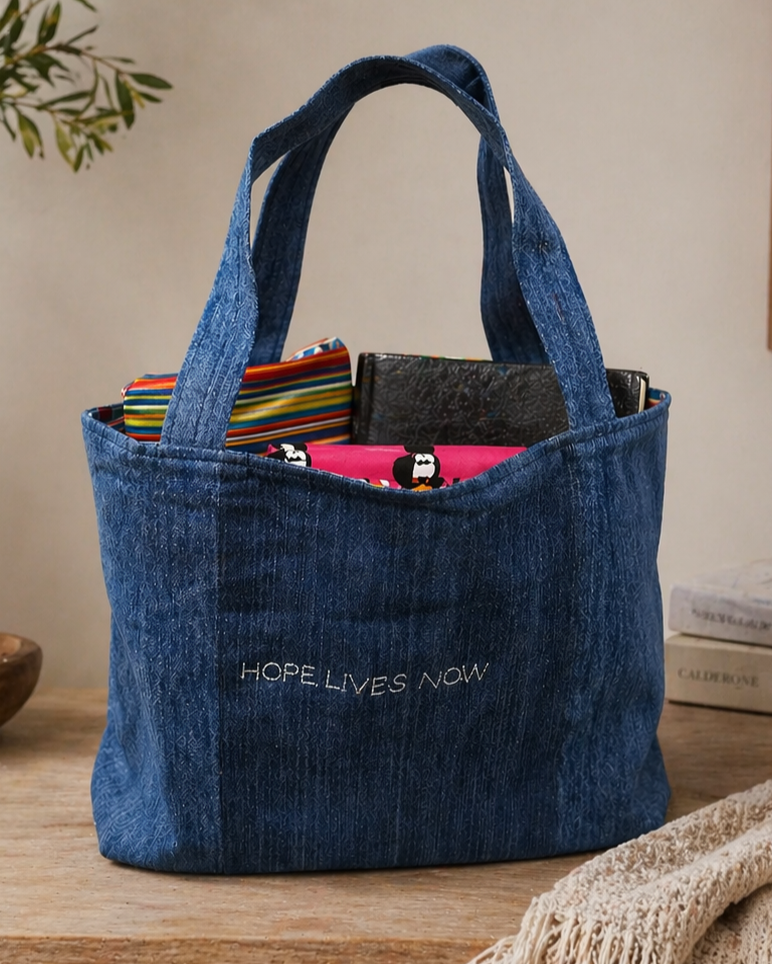
A Hope Basket, Blue Bag, prayer card, or handwritten note can become a tangible reminder that someone is remembered.
Explore Hope Baskets & Blue Bags →




Help without overstepping
Be specific instead of saying, “Let me know if you need anything.”
Don’t require a response.
Respect privacy.
Follow their lead.
Keep showing up after the initial crisis has passed.

Not sure how to help?
You don’t have to have the perfect words.
When someone you love is diagnosed with cancer, it can be hard to know what to say,
what to do, or how to help without adding more pressure.
Sometimes the most helpful things are simple:
I’m here.
You don’t have to respond.
Can I bring dinner Tuesday?
Would it help if I drove you to your appointment?
The goal isn’t to fix what they’re facing.
It’s to help them feel seen, supported, and less alone.
Free guide: How to Actually Help Someone With Cancer
A practical guide with ideas for what to say, what to do, what to bring, and how to show up in ways that truly help.

The emotions no one prepares you for.
Faces of Cancer is a faith-rooted companion for the emotional side of cancer — the fear, grief, anger, loneliness, vulnerability, and other feelings treatment plans rarely prepare us for. It can help someone feel seen, understood, and less alone in what they’re carrying.
Need a practical next step…
Choose the kind of support that fits the moment.


From the Blog:




You don’t have to fix what they’re facing.
You can show up.
You can remember.
You can make one hard day a little less lonely.
Sometimes that is enough.