
Cancer & Survivorship
Honest stories about diagnosis, treatment, the emotional side of cancer, and learning to live in the aftermath.
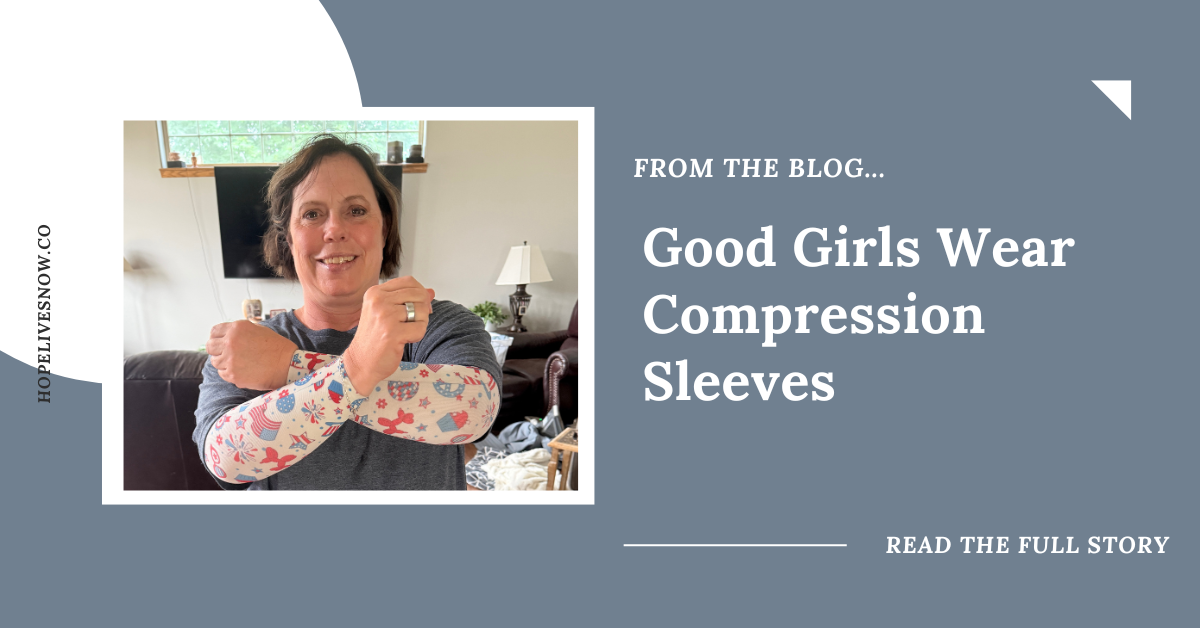
I've been a good girl most of my life. I follow the rules, like getting things right, and thought I could approach chronic illness the same way. Fifteen years of living with lymphedema has taught me otherwise—and somewhere along the way, my boring compression sleeves even turned into tattoos.
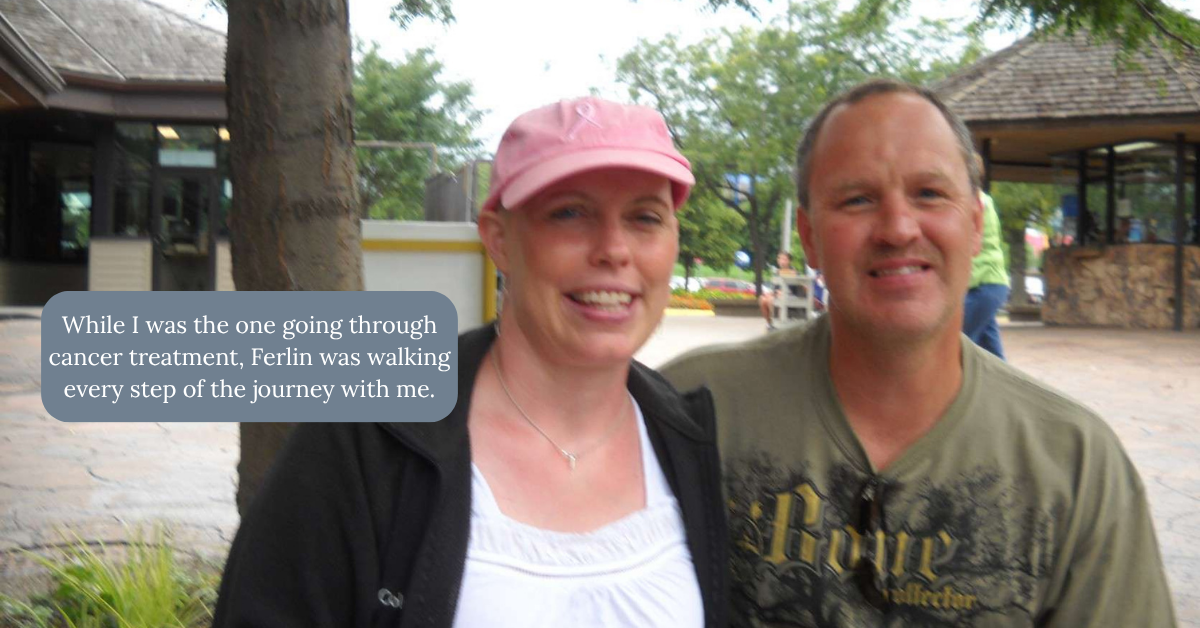
When someone we love is diagnosed with cancer, we want to help, but knowing what to say or do isn't always easy. As Breast Cancer Awareness Month comes to an end, I'm sharing what my own experience taught me about supporting someone through cancer, remembering the caregivers, and why the need for compassion continues long after treatment ends.
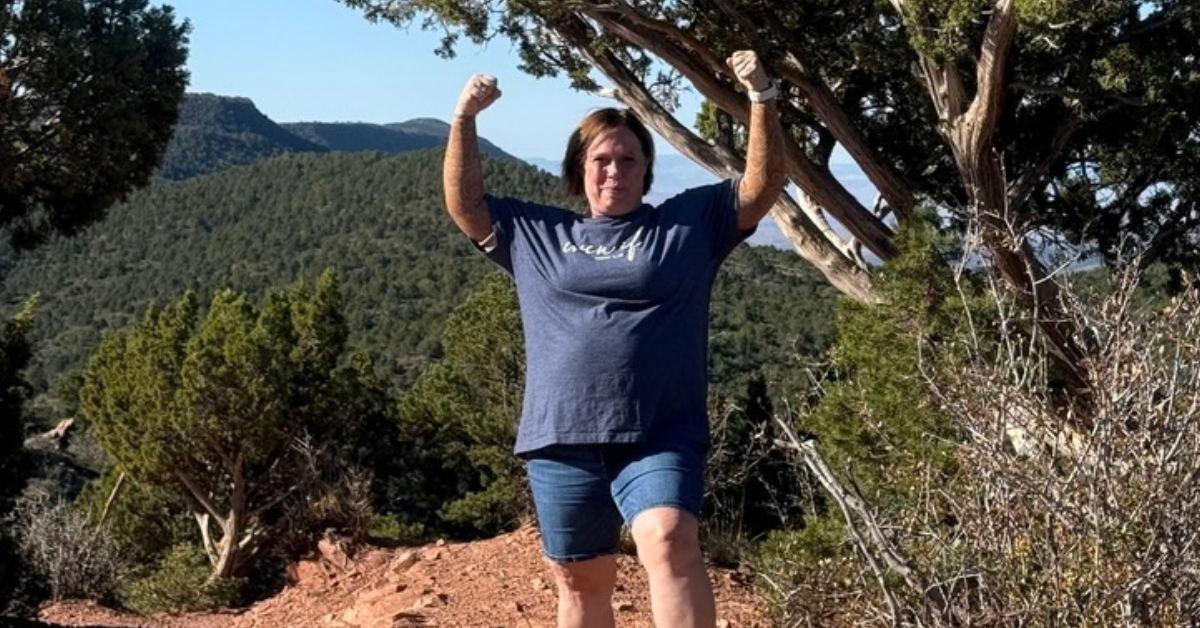
I thought treatment would cost me a year of my life, and then I would get my old life back. I did not know survivorship would become its own season.
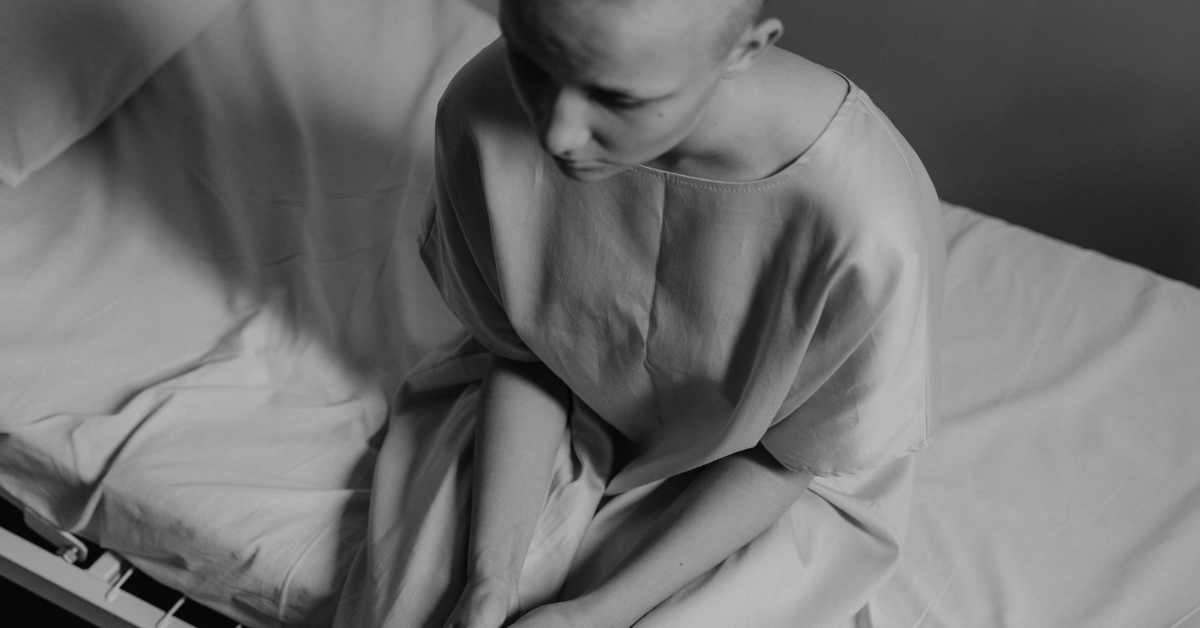
Nobody warned me that cancer might make me angry. Not just scared or sad, but angry at what changed, what was lost, and how unfair it all felt.
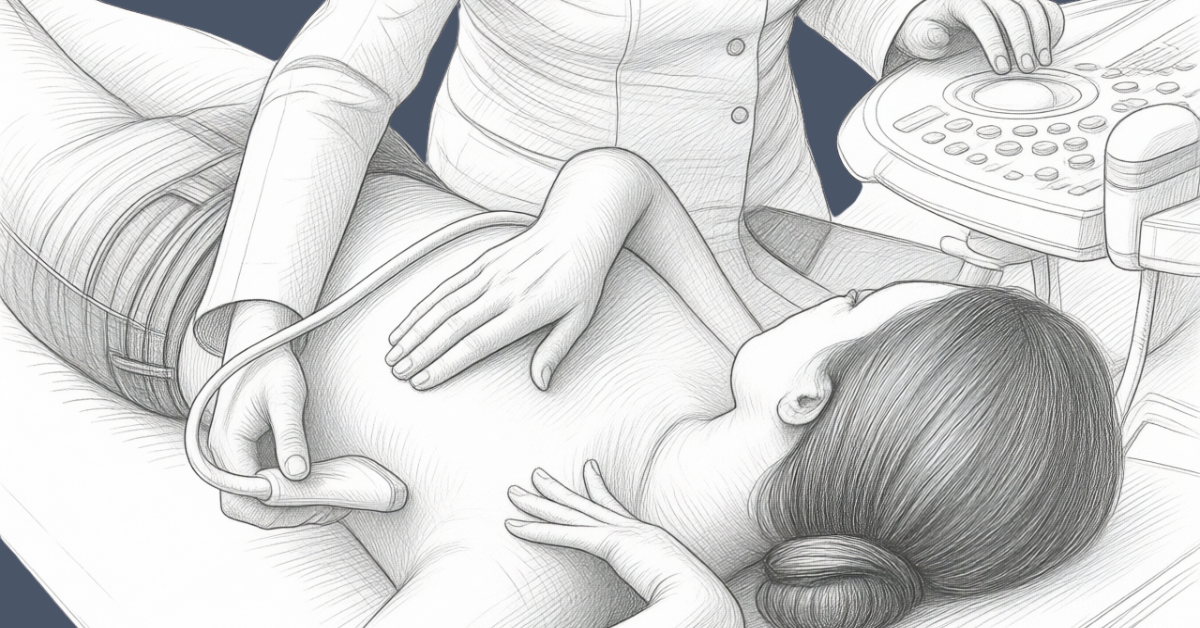
Cancer can make vulnerability feel very physical — hospital gowns, scars, needing help, losing privacy, and learning to live in a body that may suddenly feel unfamiliar. You are not weak for struggling with that.
Cancer can be deeply lonely, even when you are loved and supported. Sometimes the hardest part is realizing that no one else can completely know what it feels like to live inside your body, your fear, and your uncertainty.
Cancer can make you angry—at your body, the timing, the losses, the people who do not understand, and sometimes even at God. Anger is not proof that you are handling cancer badly. It is a human response to something hard and unfair.
Cancer can bring grief long before anyone talks about loss. You may grieve your body, your plans, your routines, your confidence, or the version of life you thought you were living. That grief is real.
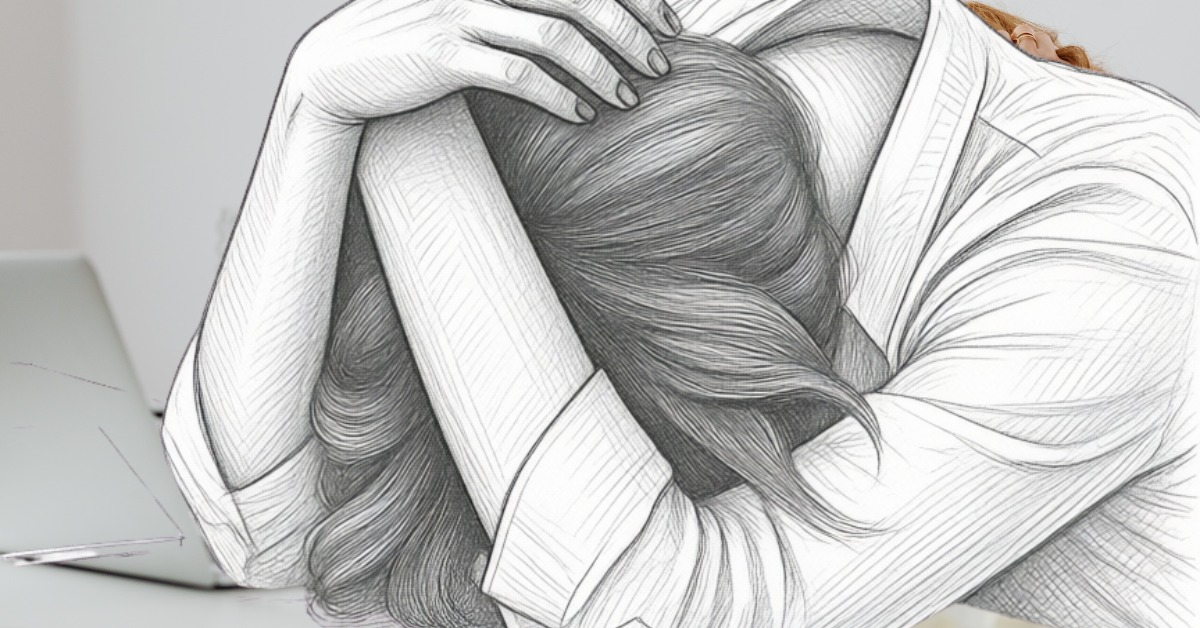
Cancer can make life feel impossibly full—appointments, paperwork, decisions, medications, questions, and emotions all arriving at once. If you feel overwhelmed, it does not mean you are handling cancer badly. It means you are carrying a lot.
Cancer can make fear loud—especially in the waiting, the uncertainty, and the quiet hours when your mind runs ahead. Fear does not mean you are failing at faith or handling cancer badly. It means you are human.
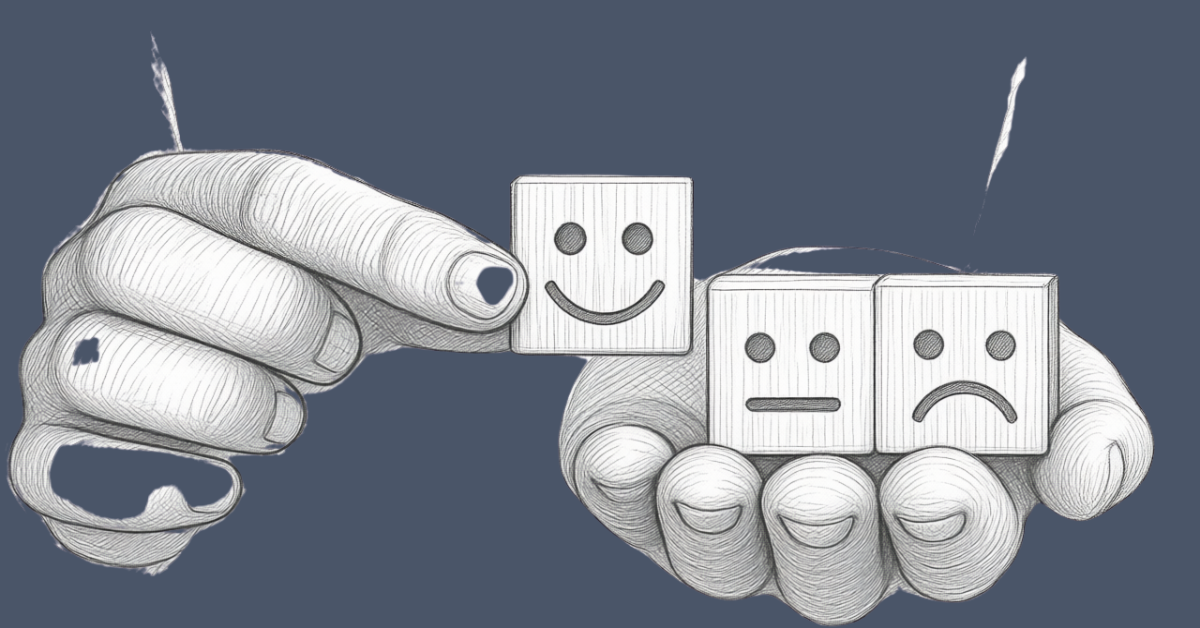
Cancer can bring emotions no treatment plan prepares you for. Fear, grief, overwhelm, anger, loneliness, and vulnerability are not signs that you are handling cancer badly. They are part of being human.
There are phone calls you remember for what was said — and phone calls you remember because your life split into before and after the moment you hung up.
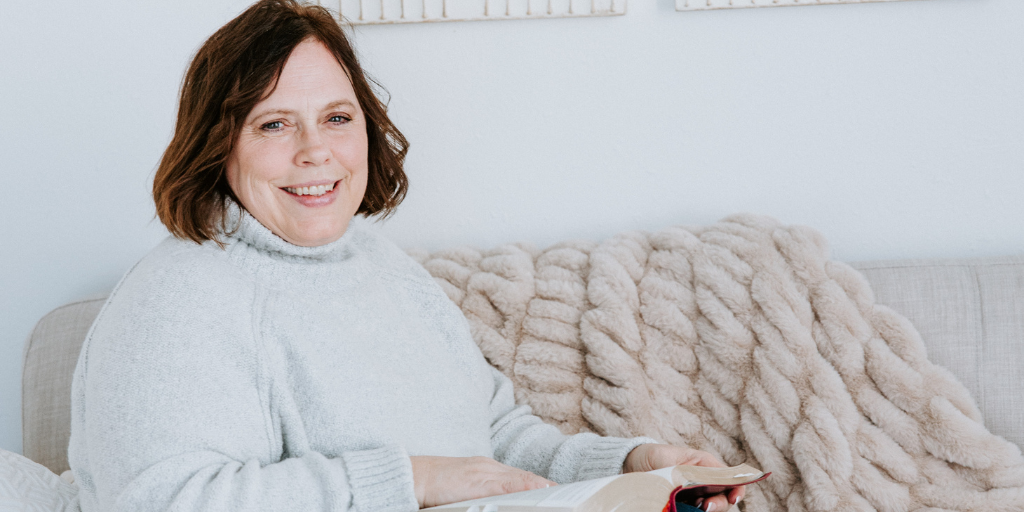
After years of cancer, surgeries and unexpected returns to the couch, I am finally learning that rest is not failure—and my worth was never measured by how much I could do.
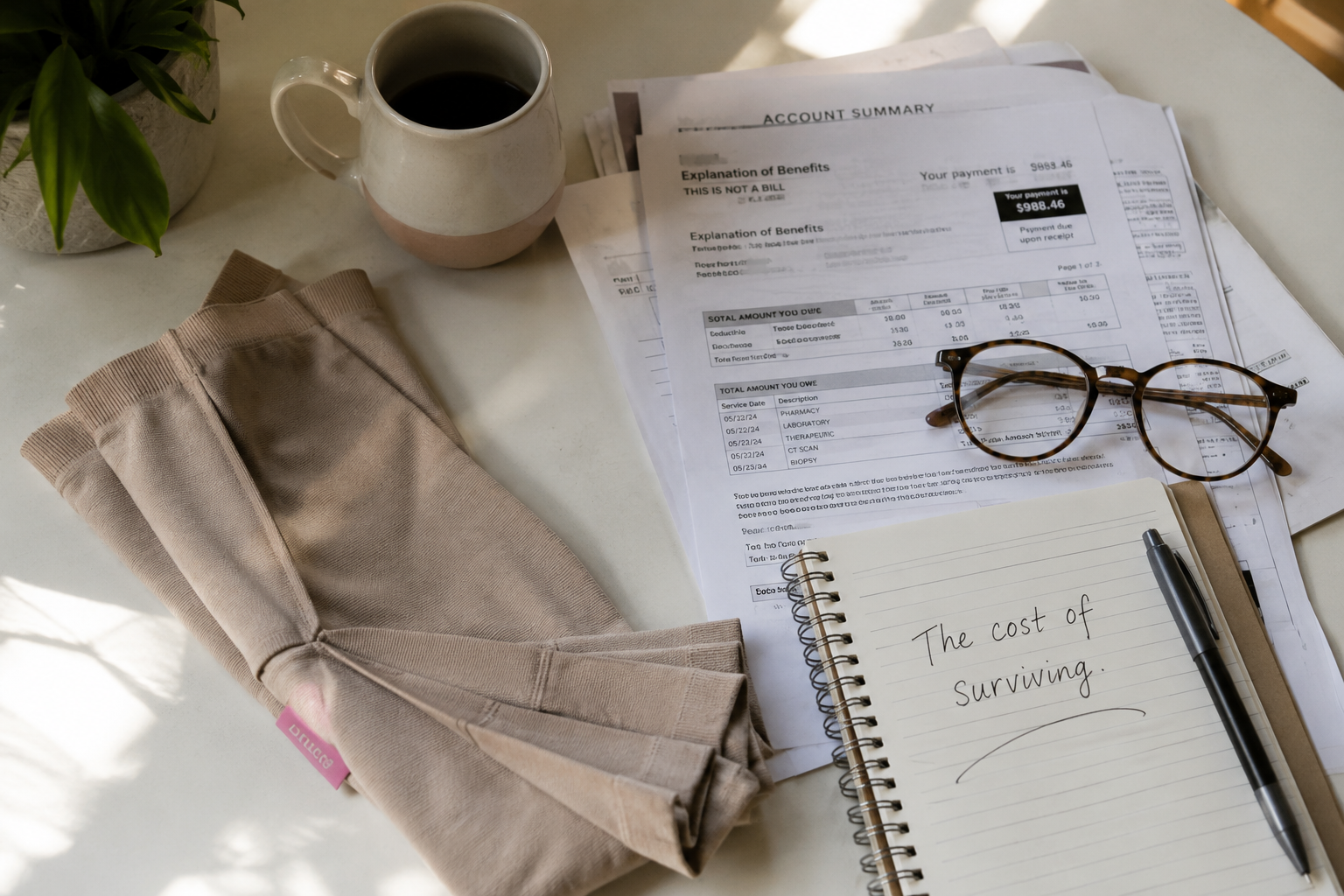
Treatment may end, but the cost of surviving often continues. In this honest first post of the “Notes from the Middle” series, I’m talking about the hidden financial burden of cancer survivorship — the bills, the uncovered needs, the work decisions, and the quiet costs nobody prepares you for.

Survival and living are not the same thing. It took me years to understand the difference — and I'm still figuring out the living part. For a long time, I thought survival was the finish line. Nobody tells you that surviving and living can sit in the same body for years without ever quite shaking hands.
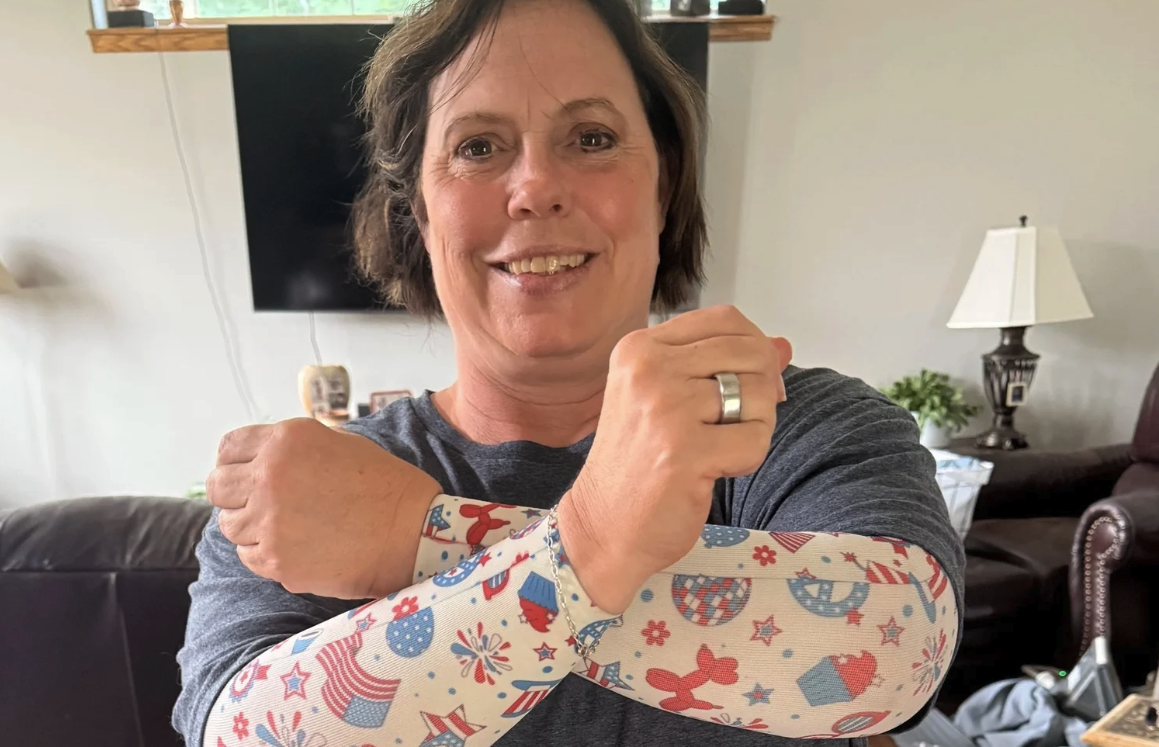
They're called compression sleeves. And for a long time, they were the thing I hated most about surviving. That's a strong statement given fifteen surgeries, chemotherapy, and radiation. And yet. Lymphedema wins the hatred category. Make it make sense.

What happens after the bell stops ringing? In this honest reflection, Kim shares the realities of cancer survivorship seventeen years later — the fear, lymphedema, long-term side effects, cost, gratitude, and hope that continue long after treatment ends.
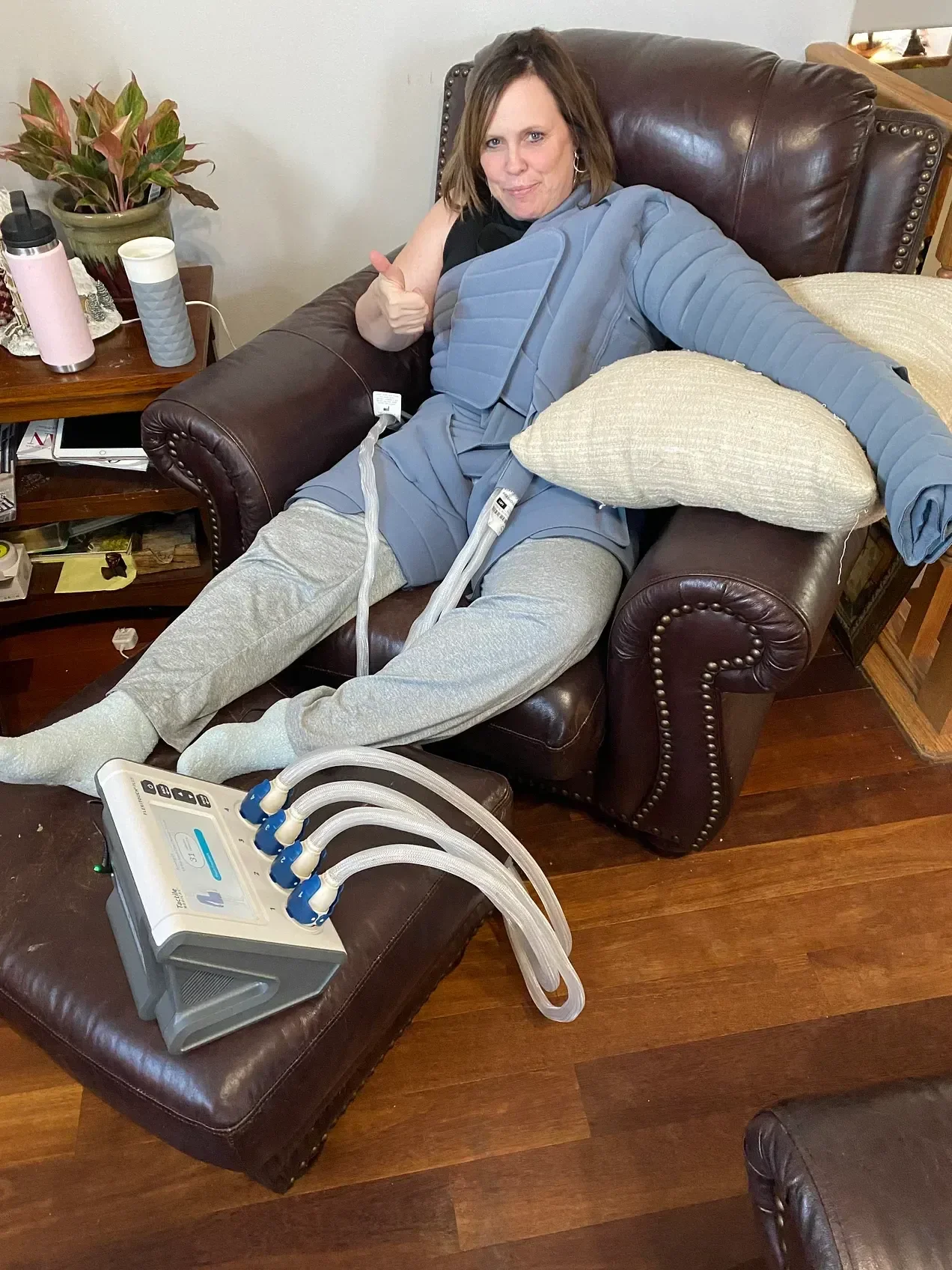

When I was preparing for chemo, my husband created a quiet corner of our living room with plants, a small waterfall, blankets, books, and a chair that would hold me through some of the hardest days of my life. Seventeen years later, I still need that oasis. This is a personal and practical guide to creating a soft place to land during cancer treatment, surgery recovery, chronic illness, caregiving, or any hard season when your body needs holding.