All Notes in the Middle
Browse the full collection of reflections, prayers, cancer and survivorship stories, practical care, and everyday hope.
Nobody warned me that cancer might make me angry. Not just scared or sad, but angry at what changed, what was lost, and how unfair it all felt.
When someone you love hears the words “you have cancer,” it can be hard to know what to do. These practical, thoughtful ideas can help you show up without adding pressure.
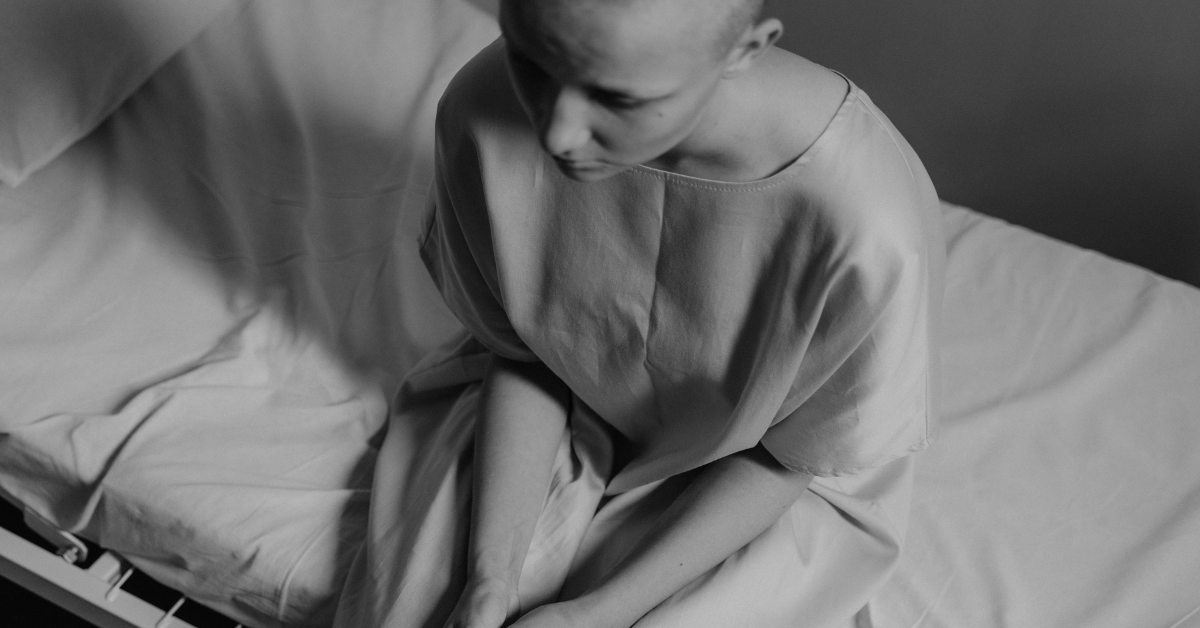
Cancer can make vulnerability feel very physical — hospital gowns, scars, needing help, losing privacy, and learning to live in a body that may suddenly feel unfamiliar. You are not weak for struggling with that.
Cancer can be deeply lonely, even when you are loved and supported. Sometimes the hardest part is realizing that no one else can completely know what it feels like to live inside your body, your fear, and your uncertainty.
Cancer can make you angry—at your body, the timing, the losses, the people who do not understand, and sometimes even at God. Anger is not proof that you are handling cancer badly. It is a human response to something hard and unfair.
Cancer can bring grief long before anyone talks about loss. You may grieve your body, your plans, your routines, your confidence, or the version of life you thought you were living. That grief is real.
Cancer can make life feel impossibly full—appointments, paperwork, decisions, medications, questions, and emotions all arriving at once. If you feel overwhelmed, it does not mean you are handling cancer badly. It means you are carrying a lot.
Cancer can make fear loud—especially in the waiting, the uncertainty, and the quiet hours when your mind runs ahead. Fear does not mean you are failing at faith or handling cancer badly. It means you are human.
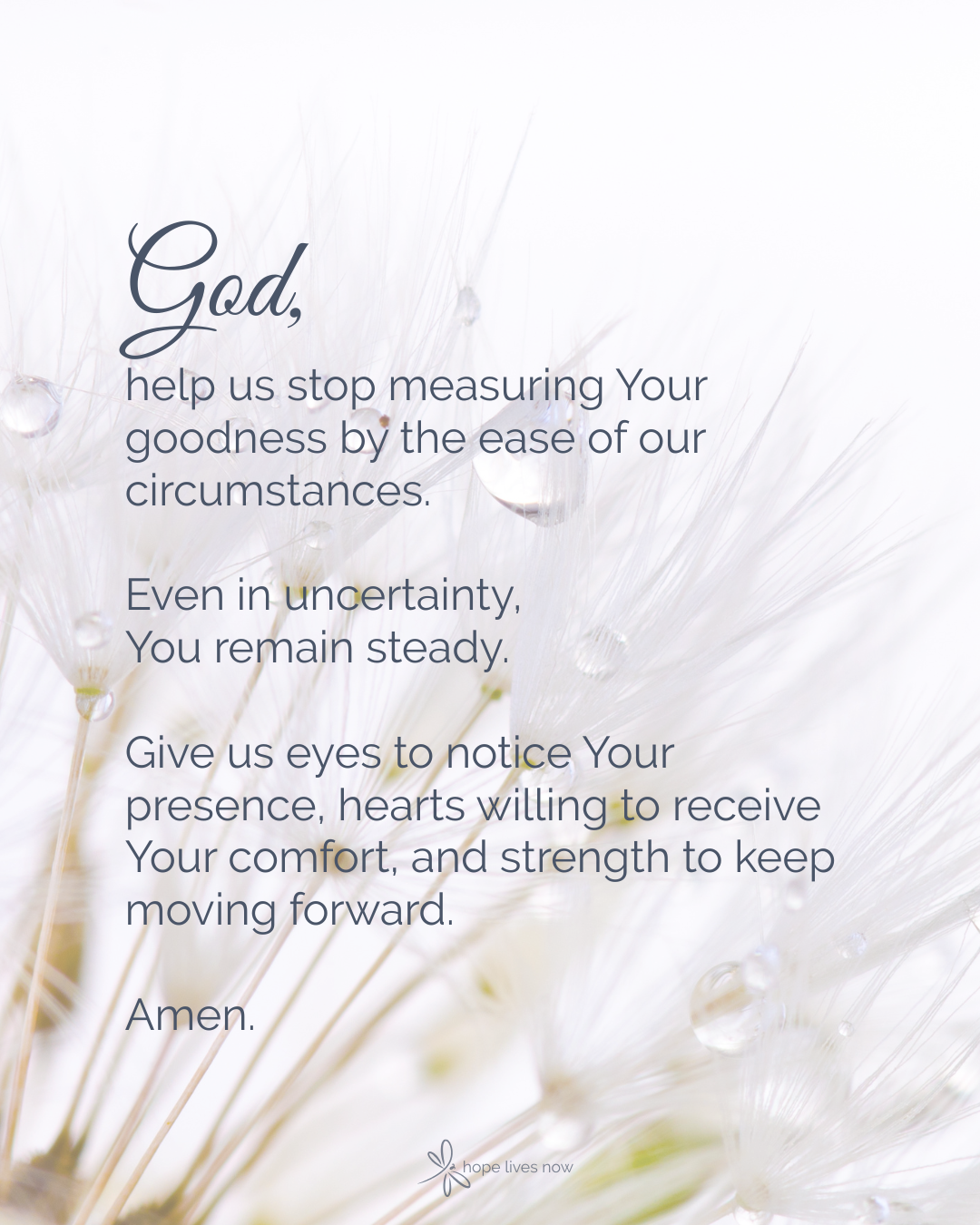
It is easy to believe God is good when life feels settled. The harder work is trusting His goodness when plans change, answers are unclear, or the future feels uncertain. A reflection and prayer for noticing God’s presence in the middle.
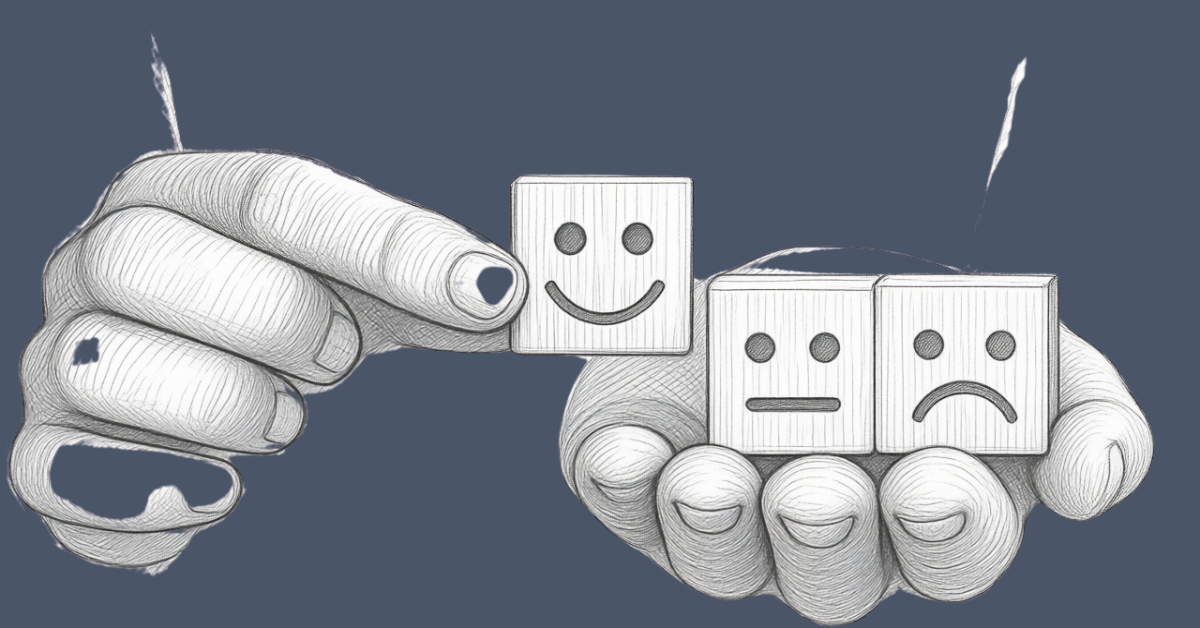
Cancer can bring emotions no treatment plan prepares you for. Fear, grief, overwhelm, anger, loneliness, and vulnerability are not signs that you are handling cancer badly. They are part of being human.
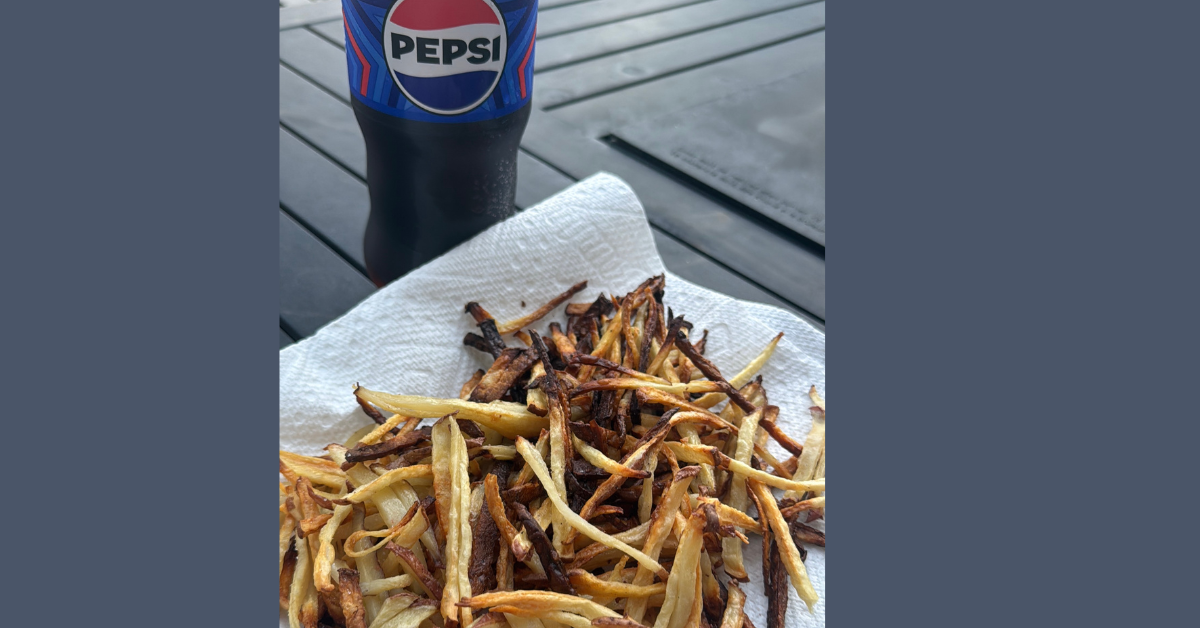
Sometimes hope looks profound. And sometimes it looks like a five-year-old labeling a feeding tube “French fries and Pepsi.” A story about illness, cancer, laughter, and the small ordinary things that help soften hard days.
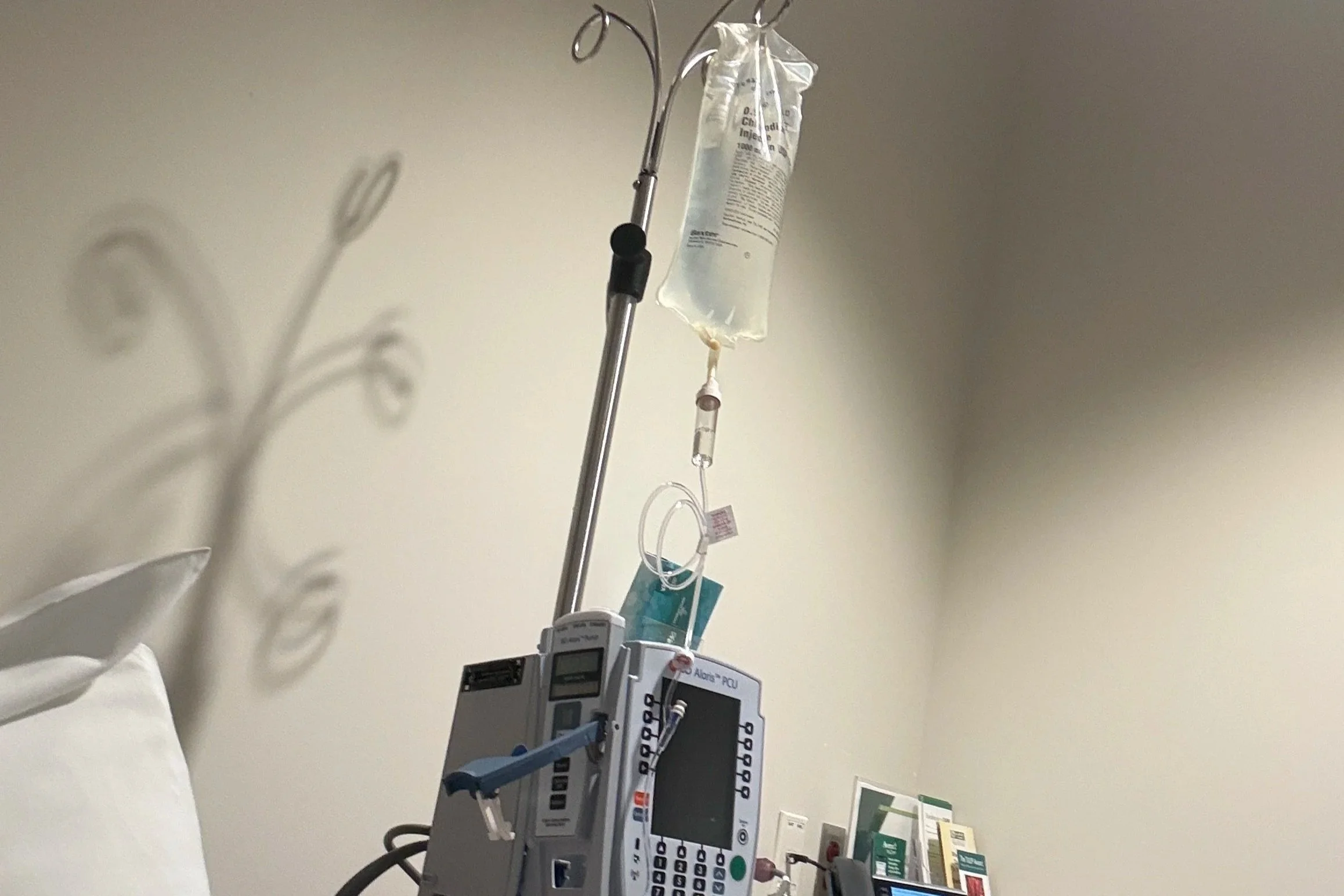
What happens when life hands you one more hard thing and you find yourself wondering, What am I doing wrong? A Monday spent unexpectedly in the ER reminded me that another difficult season doesn't necessarily mean we've failed. Sometimes we're simply being refined—and God is still meeting us right in the middle.
Fear has a way of getting loud enough that we temporarily forget what we know about God. Sometimes faith means remembering His faithfulness ourselves—and sometimes it means letting someone we trust remind us.
Sometimes faith doesn’t look bold or certain. Sometimes it’s simply asking God for enough grace to make it through the night. A reflection on small faith, long nights, and trusting that morning is still coming.
When life feels uncertain, the instinct to fix, control, and protect can get loud. A reflection and prayer for asking God for wisdom about what is ours to do—and grace to release what is not.
Cancer emotions do not arrive in a neat, predictable order. Here’s why Faces of Cancer is organized around the emotions we carry rather than a series of stages we are expected to complete.
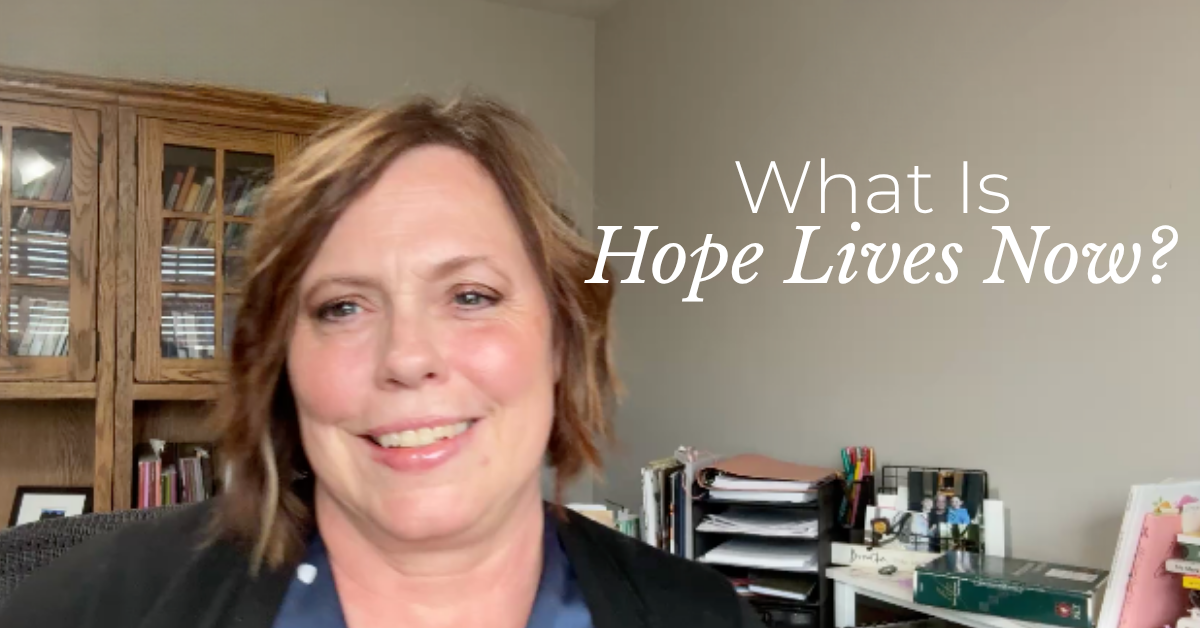
Hope Lives Now grew from my own experience with cancer—and the realization that while there was a plan for treating my body, the emotional, practical, and spiritual parts of the journey were often overlooked. This is a place for those facing cancer, living beyond treatment, and walking beside someone they love.
A few weekends ago, both of my grandchildren landed in the penalty box. Watching them serve their time and skate right back into the game made me wonder where I've been playing it too safe—and what it costs us when we're so afraid of getting something wrong that we stop sounding like ourselves.
There are phone calls you remember for what was said — and phone calls you remember because your life split into before and after the moment you hung up.
By my fifth hospital admission, the nurses knew how much I missed my flower gardens. Since fresh flowers were not allowed, they made me a bouquet out of hospital gloves. That ridiculous, thoughtful bouquet reminded me that whimsy does not erase what is hard—it simply refuses to let the hard be the only thing in the room.
After years of cancer, surgeries and unexpected returns to the couch, I am finally learning that rest is not failure—and my worth was never measured by how much I could do.
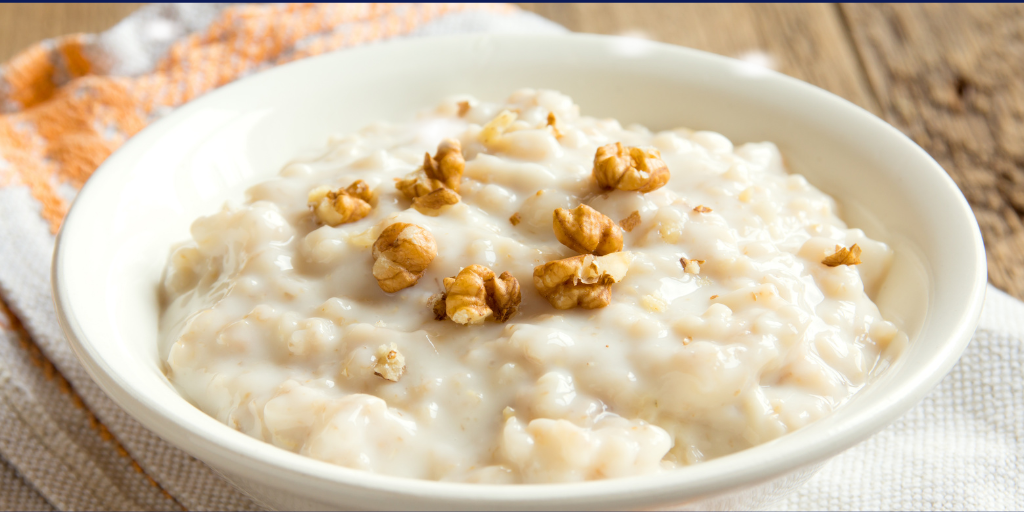
For years, I believed my body needed more discipline, more restriction, and more pushing. Now I am beginning to wonder whether it needed something entirely different: less judgment, more listening, and the chance to finally feel safe. This weekend, that lesson came through a warm bowl of oatmeal.
A weekend of hockey reminded me that winning is not always found on the scoreboard. Sometimes it looks like taking another shot, getting back up after a fall, encouraging a teammate, or discovering strength you did not know you had.
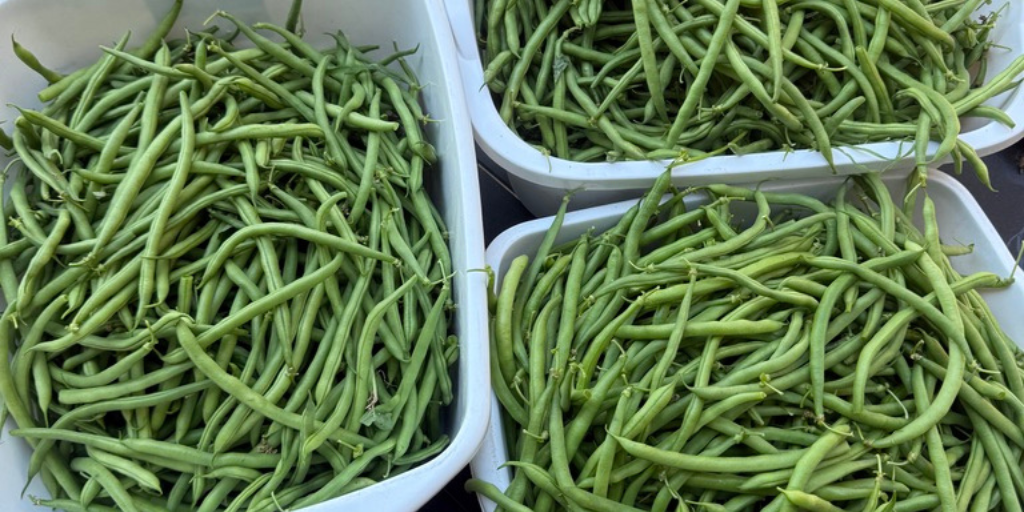
I had planned coffee on the deck, quiet time with God, and a peaceful Sunday morning. The green beans—and my husband—had other plans. Forty-eight pints and six quarts later, I was reminded that abundance often arrives with work attached.
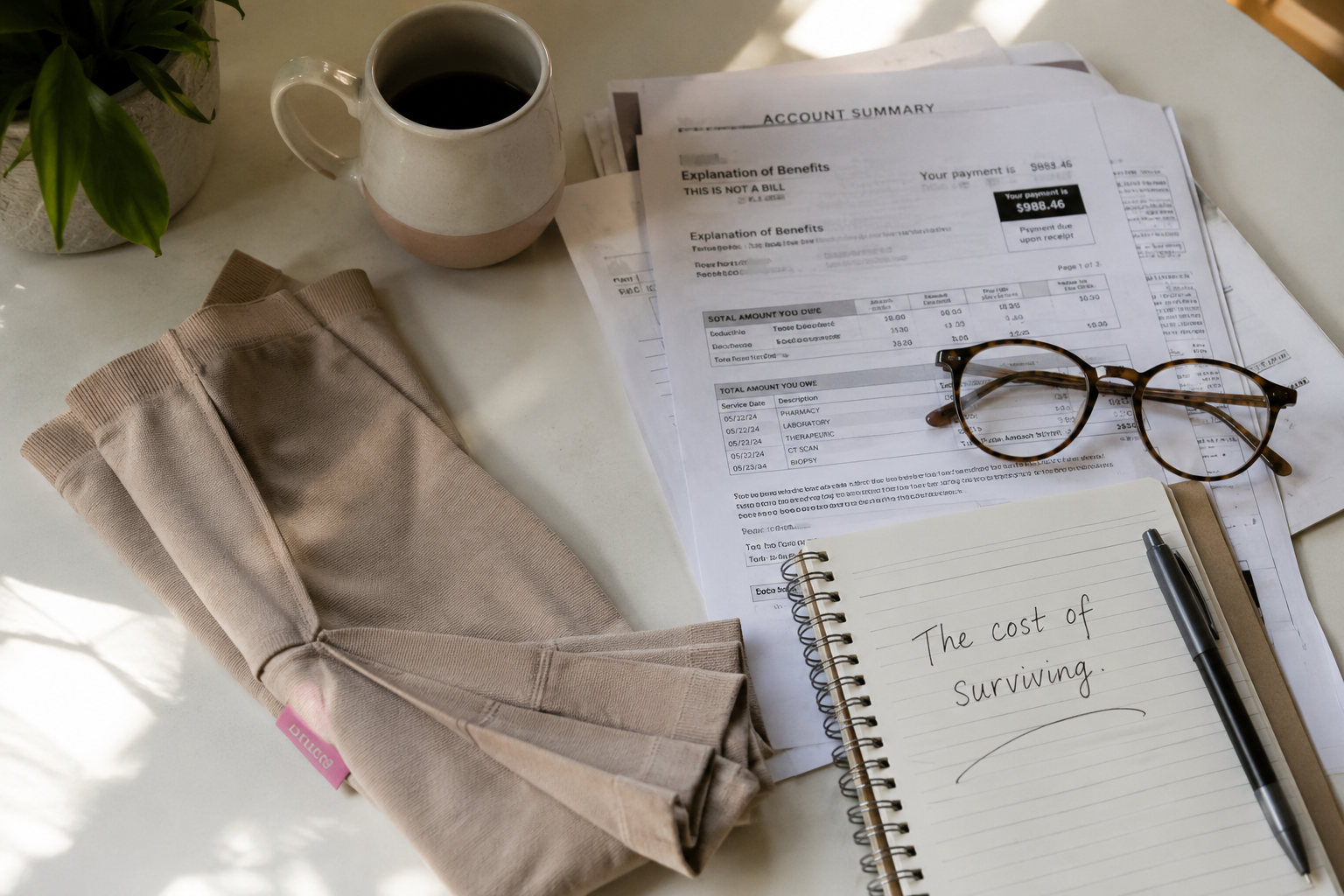
Treatment may end, but the cost of surviving often continues. In this honest first post of the “Notes from the Middle” series, I’m talking about the hidden financial burden of cancer survivorship — the bills, the uncovered needs, the work decisions, and the quiet costs nobody prepares you for.
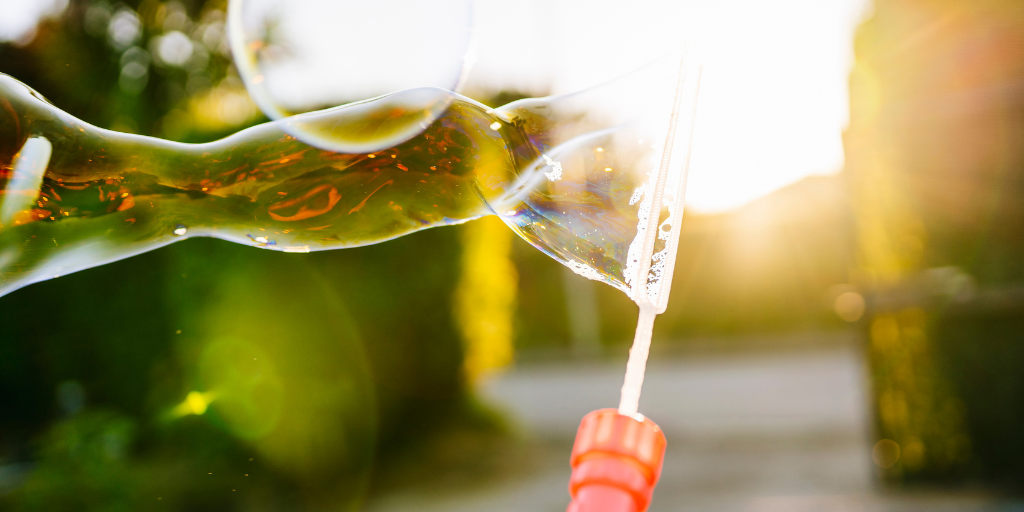
A cracked bubble wand reminded me that not every moment needs to be useful. This holiday weekend, let’s make room for bubbles, sparklers, bright shoes, and the small joys we often rush past.
Survival and living are not the same thing. It took me years to understand the difference — and I'm still figuring out the living part. For a long time, I thought survival was the finish line. Nobody tells you that surviving and living can sit in the same body for years without ever quite shaking hands.
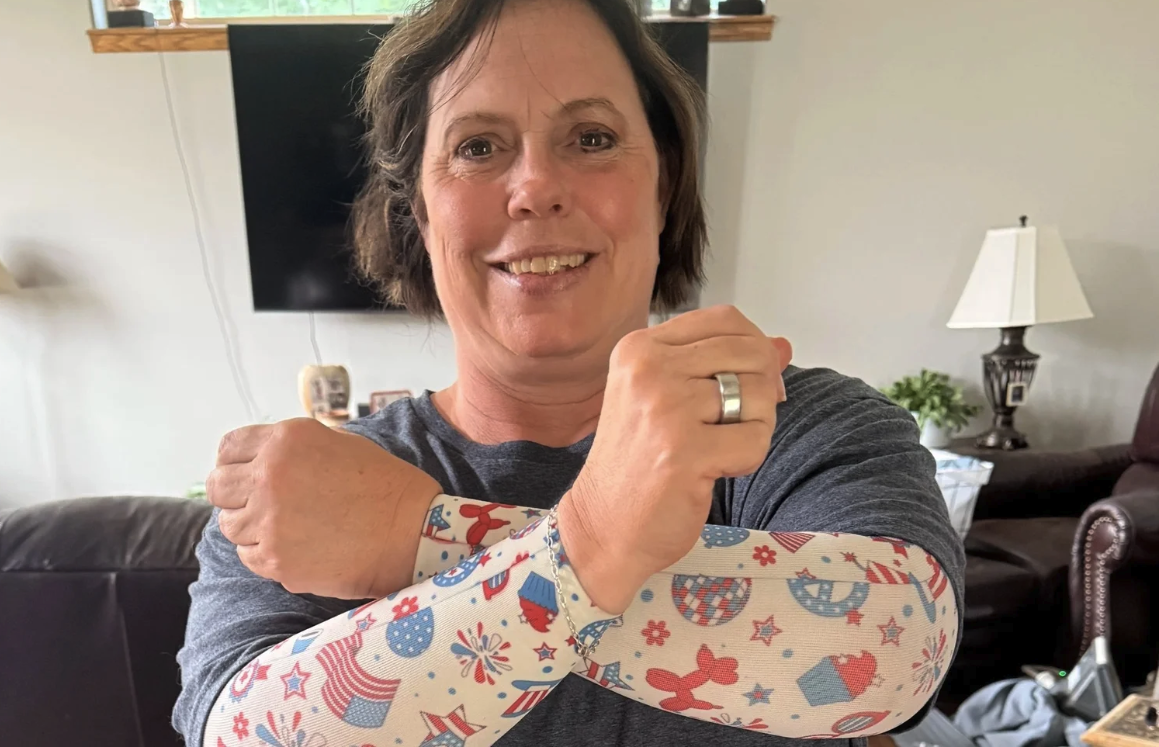
They're called compression sleeves. And for a long time, they were the thing I hated most about surviving. That's a strong statement given fifteen surgeries, chemotherapy, and radiation. And yet. Lymphedema wins the hatred category. Make it make sense.
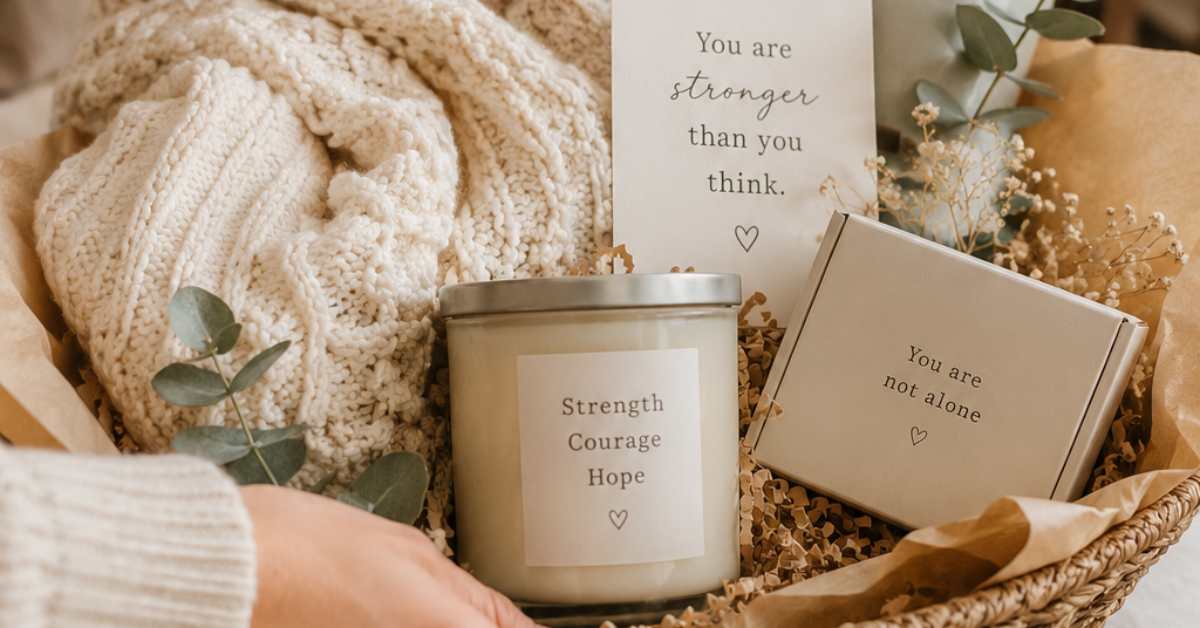
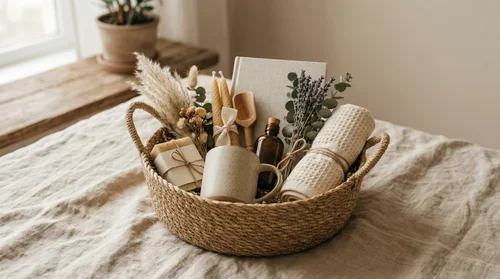
When someone you love is diagnosed with cancer, you may not know what to say or how to help. A Hope Basket turns that helplessness into a thoughtful, personal act of care—one that says, “I see you. I love you. I am not going anywhere.”